
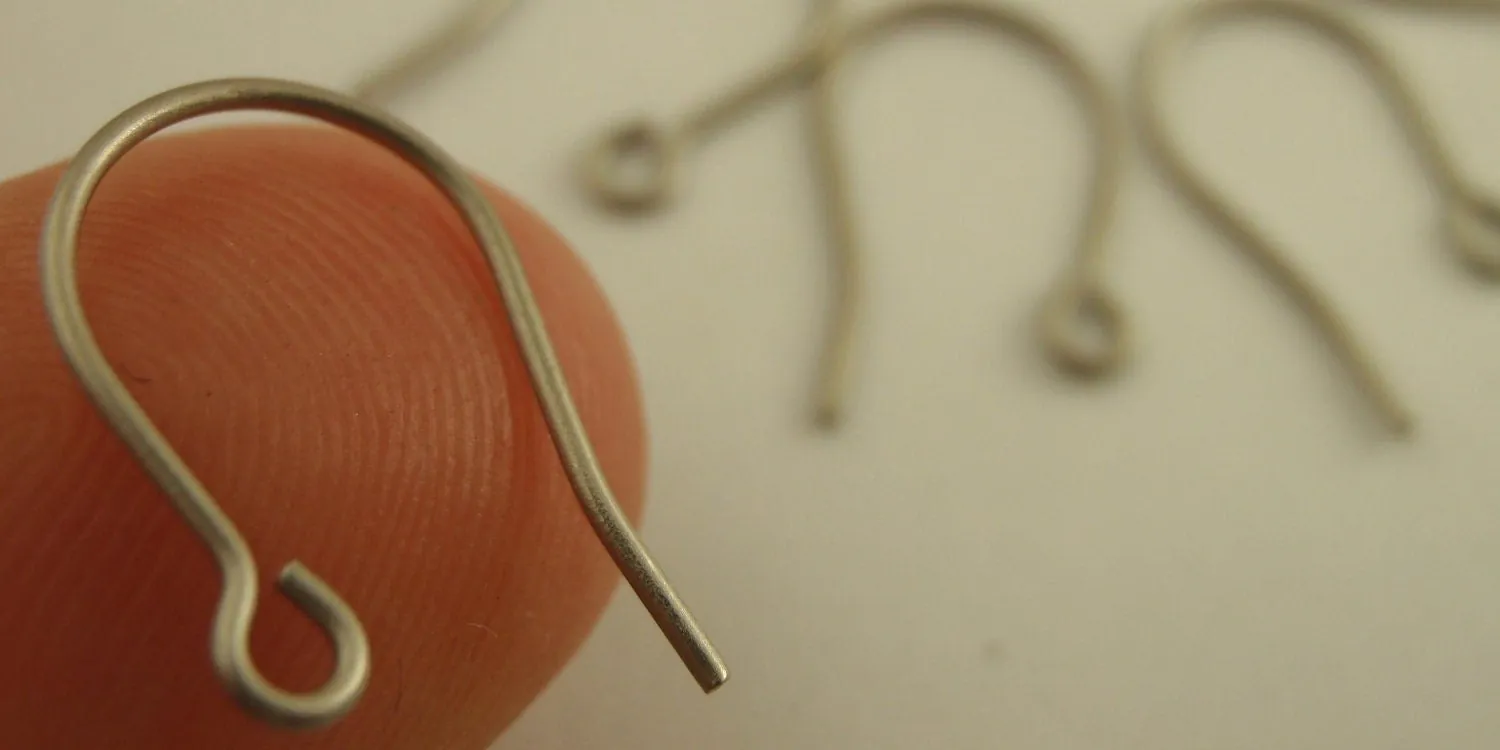
To tell a good cheap earring from junk, check the part that goes through the ear, because that's the only part that touches the inside of the piercing. A hook or post in titanium marked ASTM F136 or F67, or in niobium, is the safest. A cheap charm on a titanium hook can be a good earring, and a shiny gold-plated pair on an unnamed post can still be junk. If you love a cheap dangle pair, you can just swap its hook for one of the Creating Unkamen 5 Pairs Hypoallergenic Titanium Ear Wires. They're $13 for five pairs.
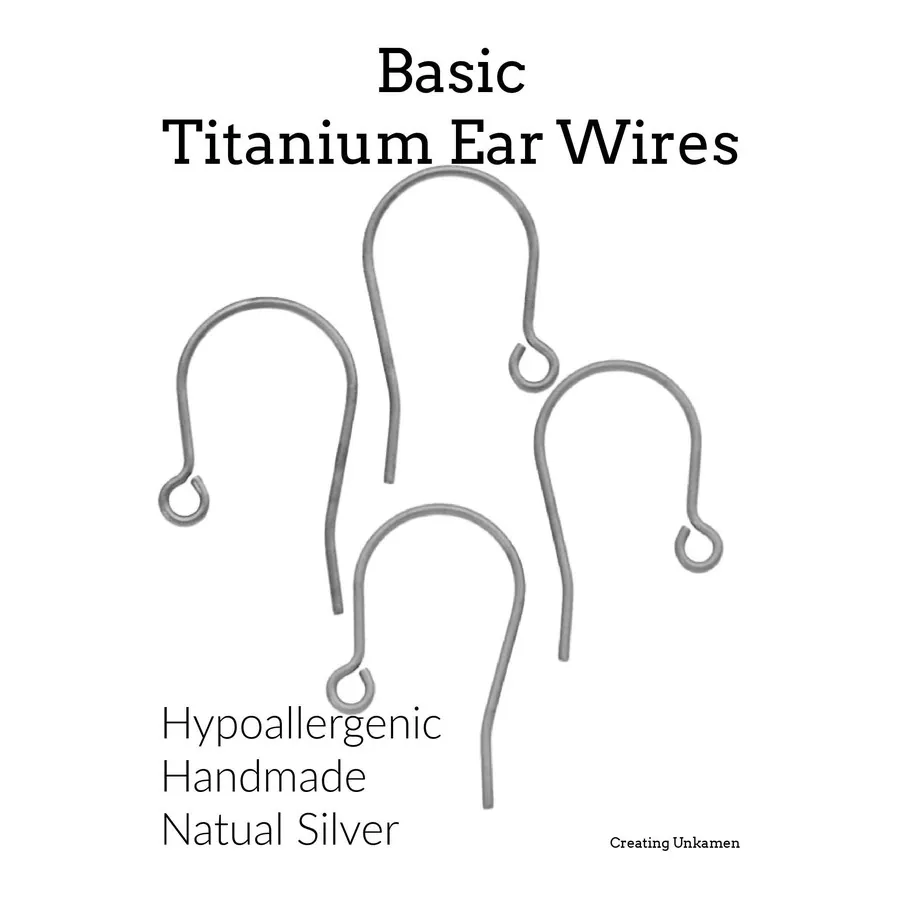
Creating Unkamen 5 Pairs Hypoallergenic Titanium Ear Wires
Pure titanium hooks with nothing alloyed in, and the shop posts the titanium test certificate in its photos. Five pairs is enough to fix five cheap dangle pairs.
$13 for 5 pairs at Creating Unkamen
See it at Creating Unkamen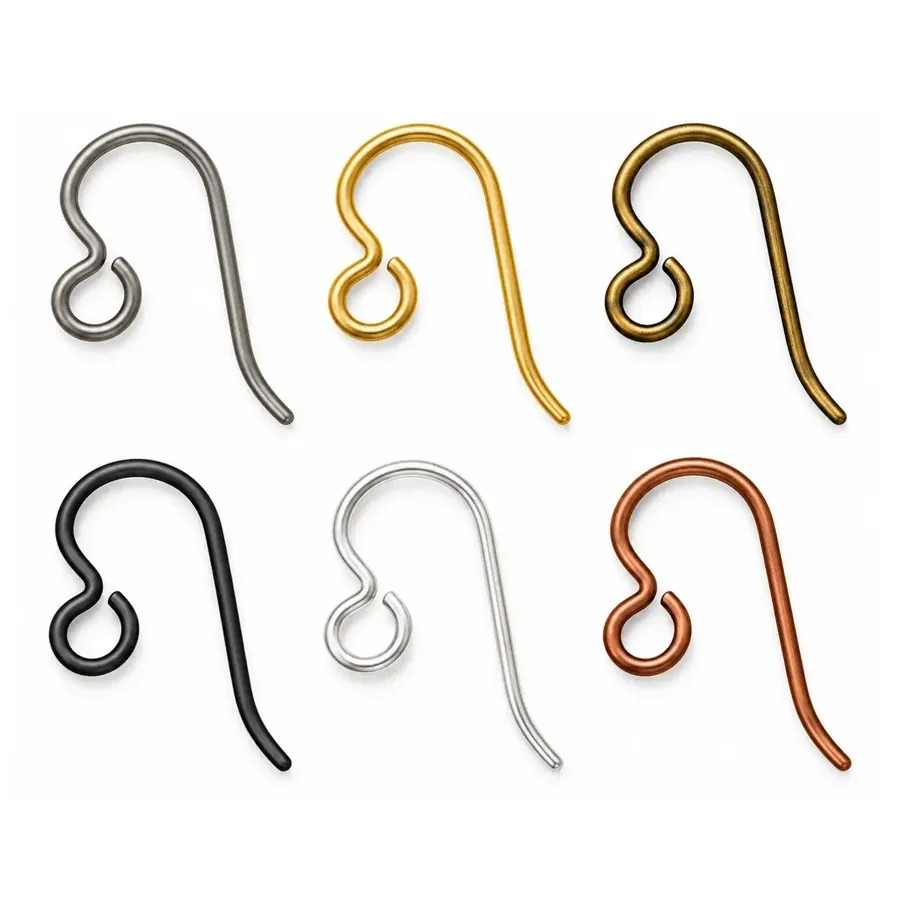
TierraCast Niobium French Hook Ear Wires, Regular Loop
Niobium is the other metal that's safest for ears that react. These hooks are nickel, lead and cadmium free, made in the USA, and come in gray, gold, copper and black.
$5.30 for 2 pairs at The Argus Collection
See it at The Argus Collection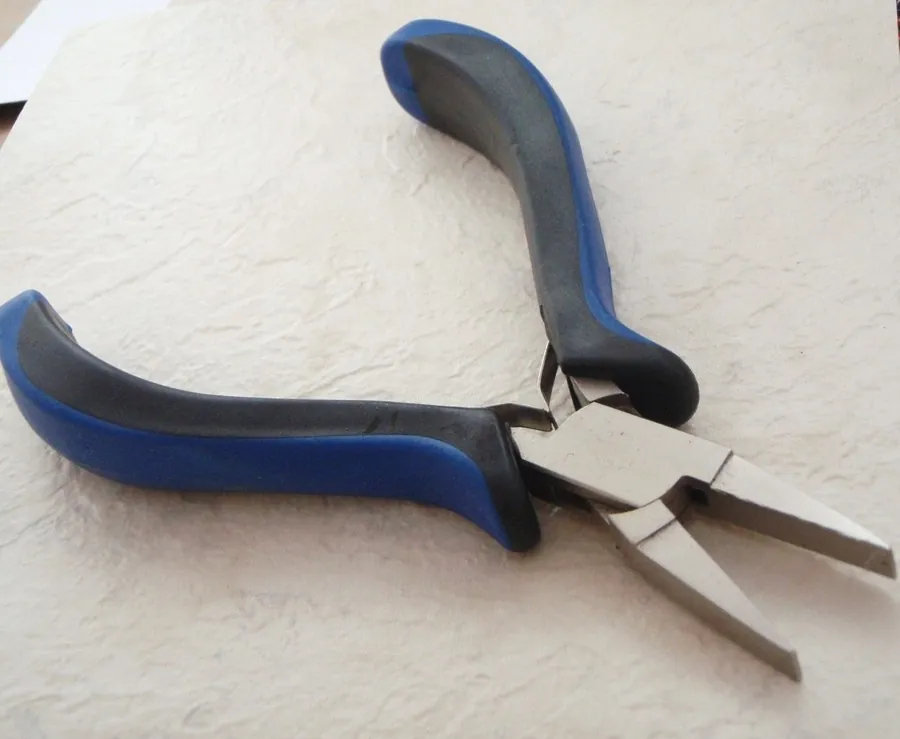
Creating Unkamen Flat Nose Chainmailler's Pliers
Smooth flat jaws that the shop files down so they leave fewer nicks on the hook. You need two pliers to open a loop the right way.
See it at Creating UnkamenProduct photos come from each maker's own store.
Who this is for
This page is for anyone buying fun $10 to $40 earrings, whether that's for herself or as a gift, who just wants them to feel fine all day. Maybe her ears itch with cheap pairs, or maybe a pair turned her skin green. Or maybe you're staring at a listing that says "hypoallergenic" and wondering if that word actually means anything.
Now every other page in my earring series links here, because the same few checks apply to every pair. And keep in mind that prices change, so you'll want to check the linked page before you buy. As an Amazon Associate, Lancelot's List earns from qualifying purchases.
How I picked
The products on this page are the ones you need to fix a cheap dangle pair: a safe hook and the pliers to put it on. And I judged the hooks on three things.
- Does the seller name the exact metal? Pure titanium or niobium, with nothing vague like "hypoallergenic metal."
- Is the hook nickel-free all the way through? No plating that can wear off.
- Is it cheap enough to put on a $12 earring? Because a hook shouldn't cost more than the charm.
Itchy, green or infected: what each one means
Cheap earrings cause three different problems, and each one means something different. Basically, once you know which one you're dealing with, you'll know whether a better hook will actually fix it or not.
Itchy, red skin, sometimes with small blisters, often points to a nickel allergy. Now nickel is one of the most common causes of an allergic skin rash, and earrings and earring backs are some of the biggest culprits. And something to note is that once someone has a nickel allergy, it usually lasts for years, often for life.
How common is a nickel allergy? Well, the American Academy of Dermatology estimates more than 18% of people in North America have one. A 2025 review in the journal Contact Dermatitis cites about 11% of the general population in Europe, North America and China. Women have it 4 to 10 times as often as men. And people with pierced ears have much higher odds of a nickel allergy than people without.
A green mark with no itch usually comes from copper. Basically, copper in brass or in a plated base metal reacts with sweat and water and leaves a green stain. Now the green stain isn't harmful, and it washes off with soap and water. But keep in mind, a green mark does tell you there's copper touching your skin, often because a coating has worn through.
Pain, warmth, swelling, pus or a fever could mean the piercing is infected. And that's different from an allergy, so swapping the hook won't fix it. See a doctor if you have a fever or chills, yellow pus that smells bad, redness with swelling and pain, or an earring that's stuck in the ear. And see a dermatologist for a rash that blisters, gets infected or keeps coming back.
What the metal words on a label mean
Here's what each word on an earring listing means for the part that goes through the ear, from safest to riskiest.
| Word on the label | What it means | Is it good for the hook or post? |
|---|---|---|
| Implant-grade titanium, ASTM F136 | The titanium mix used in surgical implants. ASTM F136 is the standard it has to meet | Yes, the safest choice |
| Pure titanium, ASTM F67, grade 1 to 4 | Commercially pure titanium, with nothing alloyed in | Yes, the safest choice |
| Niobium | A metal very close to titanium, with no nickel. Niobium has no implant-grade standard, but piercers have used it for years | Yes |
| "Titanium" with no standard | The seller hasn't said which titanium | Ask for the grade before you trust it |
| 316L surgical steel | Stainless steel with 10 to 14% nickel. The "L" means low carbon, not low nickel. 316L lets out very little nickel | Often fine, but not the first choice if she already reacts |
| "Surgical steel" with no grade | Surgical steel is a whole family of steels, and only a few grades are proven safe in the body | Not enough information |
| Sterling silver, 925 | 92.5% silver | Usually fine. Watch for fake 925 stamps |
| Solid gold, 14K and up | 14K is 58.3% gold. Higher karats are more gold | Yes, if the seller says it's nickel-free |
| White gold | Some white gold is made with nickel | Only if the seller says it's nickel-free |
| Gold vermeil | Sterling silver with gold at least 2.5 microns thick | The gold can wear off |
| Gold filled | A layer of gold making up at least 1/20 of the metal's weight | The gold can wear off |
| Gold plated | A gold layer that only has to be 0.175 microns thick | Not for the part through the ear |
| Base metal | Any cheap metal under the plating, and that can include nickel | Not for the part through the ear |
| Brass | A mix of copper and zinc | The copper can turn skin green. Not for the part through the ear |
| Zinc alloy | Mostly zinc, but the label doesn't say what else is mixed in | Not for the part through the ear |
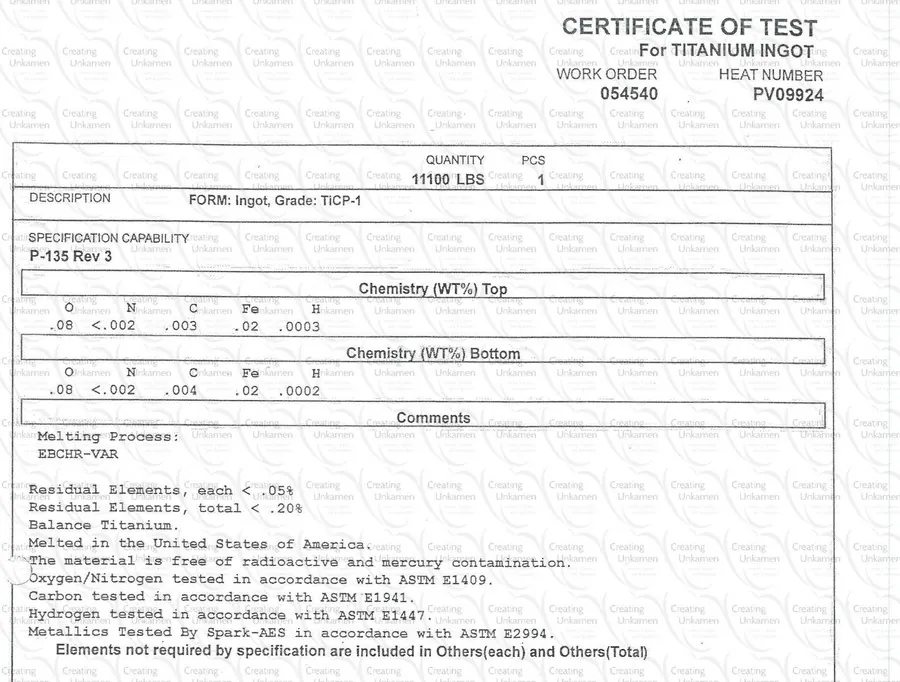
Now a seller who really uses titanium can often show you a mill certificate like the one above. Basically, a mill certificate is a test report from the metal maker that shows which grade of metal it is. And it's worth noting that the Association of Professional Piercers says your piercer may have copies to show you.
And then plated earrings are the ones you'll want to be the most careful with. A 2026 study in Contact Dermatitis tested ten pairs of low-cost gold-plated earrings, and all ten let out nickel, often above the European limit. So the bottom line is that gold plating doesn't reliably keep nickel off your skin.
Finally, keep in mind that fake labels happen too. In 2025 the Danish Consumer Council tested 23 cheap pieces of jewelry. Three pieces from Wish and eBay were stamped "925" for sterling silver, but they were actually more than 95% cadmium, which is a toxic metal.
Why "hypoallergenic" and "nickel-free" don't mean much
In the US, "hypoallergenic" and "nickel-free" on an earring are just the seller's words. The Consumer Product Safety Commission says there are no mandatory federal requirements specifically for jewelry. And the FTC's rules for jewelry don't define either word or set a test for them.
Now Europe does it differently. The EU limits how much nickel can come off an earring, not whether nickel is in it. A post that goes through a pierced ear has to let out less than 0.2 micrograms of nickel per square centimeter per week. Other parts that touch the skin for a long time can let out up to 0.5. And a coating has to keep the earring under those limits for at least two years of wear.
But even with those rules, some earrings fail. In the 2025 review, about a quarter of European earrings made for piercings let out more nickel than the limit. And about a third of North American earrings tested let out a lot of nickel. Just keep in mind that each of the North American figures comes from a single study.
So don't trust a label word by itself. Trust a named metal instead. That means ASTM F136 or F67 titanium, niobium, or a named grade of steel or karat of gold.
Six signs of a well-made pair
You can usually spot a well-made pair right in the listing photos, or on the earrings themselves if you're in a store. Before you buy, here are the six things worth checking.
- The seller names the exact metal of the hook or post. "Pure titanium" or "ASTM F136" is a good sign. "Hypoallergenic alloy" isn't.
- The hook or post is smooth and shiny. The Association of Professional Piercers says jewelry should be free of nicks, scratches and burrs, polished to a smooth, mirror finish.
- The plating isn't worn, chipped or bubbled on the part through the ear. Thin gold can wear or chip off and show the metal underneath.
- Every jump ring is closed with no gap. A jump ring is basically the little open ring that connects a charm to the hook. A gapped ring can snag, and the charm could slip out. A well-closed jump ring feels smooth when you run a finger over it.
- On a stud, the post is attached solidly. A post that's only glued to the back of a charm can pop off.
- Both earrings match and the backs fit snugly. A back that slides off easily is how earrings get lost.
Our pick: Creating Unkamen 5 Pairs Hypoallergenic Titanium Ear Wires
The Creating Unkamen 5 Pairs Hypoallergenic Titanium Ear Wires are $13 for five pairs, or $28 for fifteen pairs. Now something worth noting here is that Creating Unkamen says the titanium is "not an alloy but pure, medical grade," with no nickel or lead. And each hook is 15 by 15 mm, made from 21 gauge wire.
Creating Unkamen also posts the titanium test certificate right in the listing's photos. And that's the kind of proof most cheap listings never give you. US shipping is free too.
And because you're getting five pairs, you can fix five favorite cheap dangle pairs for about $2.60 each.
Flaws but not dealbreakers
Plain titanium is a dull silver-gray. So if you've got a gold-tone earring, just keep in mind it won't match. Now if the color matters to you, the TierraCast niobium hooks below come in gold and copper colors.
Also great: TierraCast Niobium French Hook Ear Wires, Regular Loop
The TierraCast Niobium French Hook Ear Wires, Regular Loop are $5.30 for two pairs at The Argus Collection, and they come in Silver/Grey, Golden or Anodized Copper, with Black running $6. And they're nickel, lead and cadmium free, and made in the USA.
Now size wise, each hook is 20 gauge, about 8.3 mm wide and 22.5 mm tall. Something to keep in mind is that the colored finishes are anodized, so the color may fade with wear. But the Association of Professional Piercers says that fading isn't harmful.
And if you're pairing one with a gold-tone charm, the golden niobium hook is the one I'd pick.
The tool for the swap: Creating Unkamen Flat Nose Chainmailler's Pliers
You'll need two pairs of flat-nose pliers for the swap, and the jaws need to be smooth, with no ridges. Basically, ridged jaws can scratch the metal when you grip it, so smooth jaws are what keep the hook from getting scratched up.
Now a good option here is the Creating Unkamen Flat Nose Chainmailler's Pliers, which are $16 each or $26 for two. They're 5 inches long with a 5 mm tip. And something worth noting is that Creating Unkamen hand files and smooths the jaws before shipping, so they leave fewer nicks.
How to swap a cheap hook for a titanium or niobium one
This swap works for a dangle earring, where the charm hangs from a small open loop at the bottom of the hook. And keep in mind, it's for an ear that's fully healed.
- Hold the bottom loop of the old hook with a pair of pliers in each hand. You're going to want to grip on either side of the opening in the loop.
- Twist the loop open sideways. So turn one hand away from you and the other toward you. And never pull the ends straight apart, because that bends the loop out of shape.
- Slide the charm off the old hook.
- Open the loop on the new titanium or niobium hook the same way, and slide the charm on.
- Twist the loop closed. Basically, you move the ends back and forth past each other, a little less each time. Stop when you feel or hear them click and line up.
- Check the loop. Run a finger over it. If it feels smooth and doesn't snag, the loop is closed.
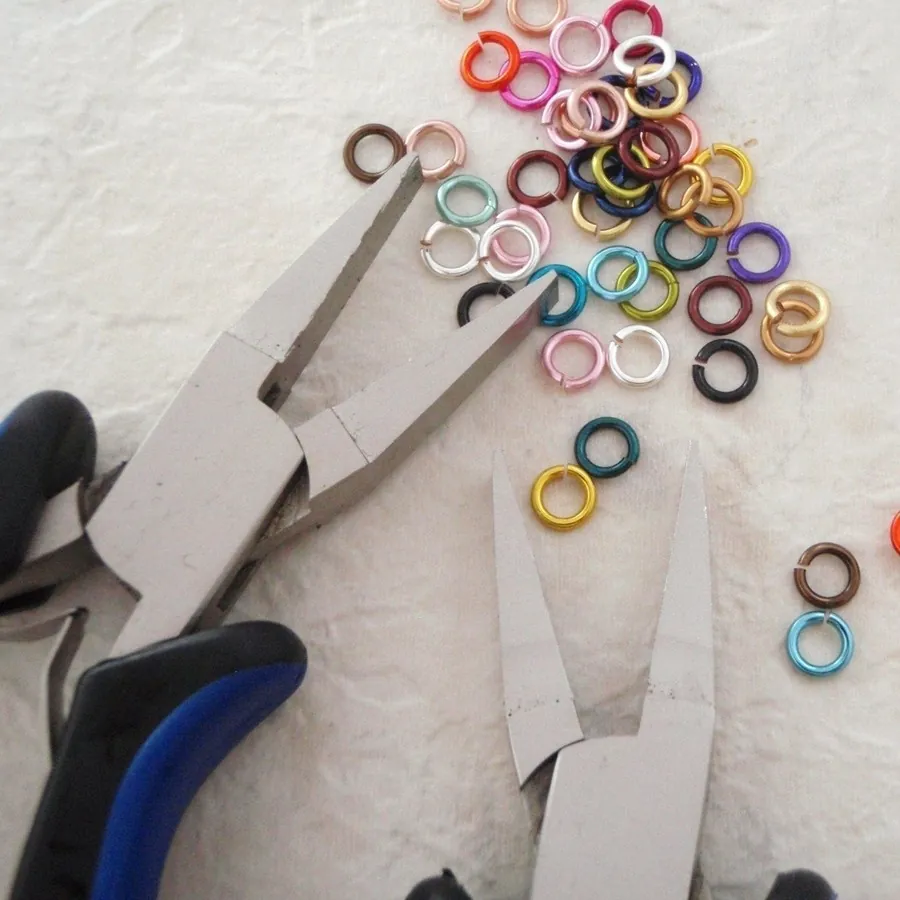
Now if the charm hangs from a jump ring instead of straight from the hook loop, you'd just open the jump ring the same way and move it to the new hook.
What the hook swap can't fix
The hook swap only changes the part that goes through the ear. It won't help if:
- The charm itself rubs against her skin, like a big plated hoop or a charm that rests on her earlobe.
- The earring is a stud with the post glued on. You can't swap a glued post. So you'd want to buy a better pair instead. My earrings for sensitive ears under $30 and stud earrings gift guide have studs with titanium, steel and plastic posts.
- The ear is already red, swollen or infected. Let it heal, and see a doctor for signs of infection.
Videos worth watching
Creating Unkamen shows how to open and close a jump ring with two flat-nose pliers. And this is the same motion that opens the loop on an earring hook.
- The video uses two flat-nose pliers with smooth jaws, and that matters because smooth jaws won't scratch the ring.
- One hand turns away and the other turns toward you, so the ends move sideways past each other instead of being pulled apart.
- To close it, you move the ends back and forth until they click. Then check that it feels smooth and doesn't snag.
More earrings that pass these checks
Every pick on these pages names the metal of the part that goes through the ear. And that's really the main thing to look for, so if you want more options that already pass these checks, these are the pages to browse.
- Earrings for sensitive ears under $30
- Earrings for sensitive ears under $100
- Fun earrings that aren't junk
- The best holiday earrings
- Stud earrings for a gift
- Mushroom earrings
- Food earrings
- Earrings you can sleep in
- Handmade earring shops
My take
Check the part that goes through the ear before anything else, and the words you want to see are titanium marked ASTM F136 or F67, or niobium. And if you love a cheap dangle pair, just put it on a Creating Unkamen titanium ear wire for $13 a five-pack, or a TierraCast niobium hook for $5.30 a two-pack.
Have a question about “How to tell good cheap earrings from junk”?
Ask it here. Every question comes to me first. I answer as many as I can, and each answered question goes on this page with my answer so other readers can see it too. I don't ask for your email, so check back on this page for the answer.
More jewelry guides
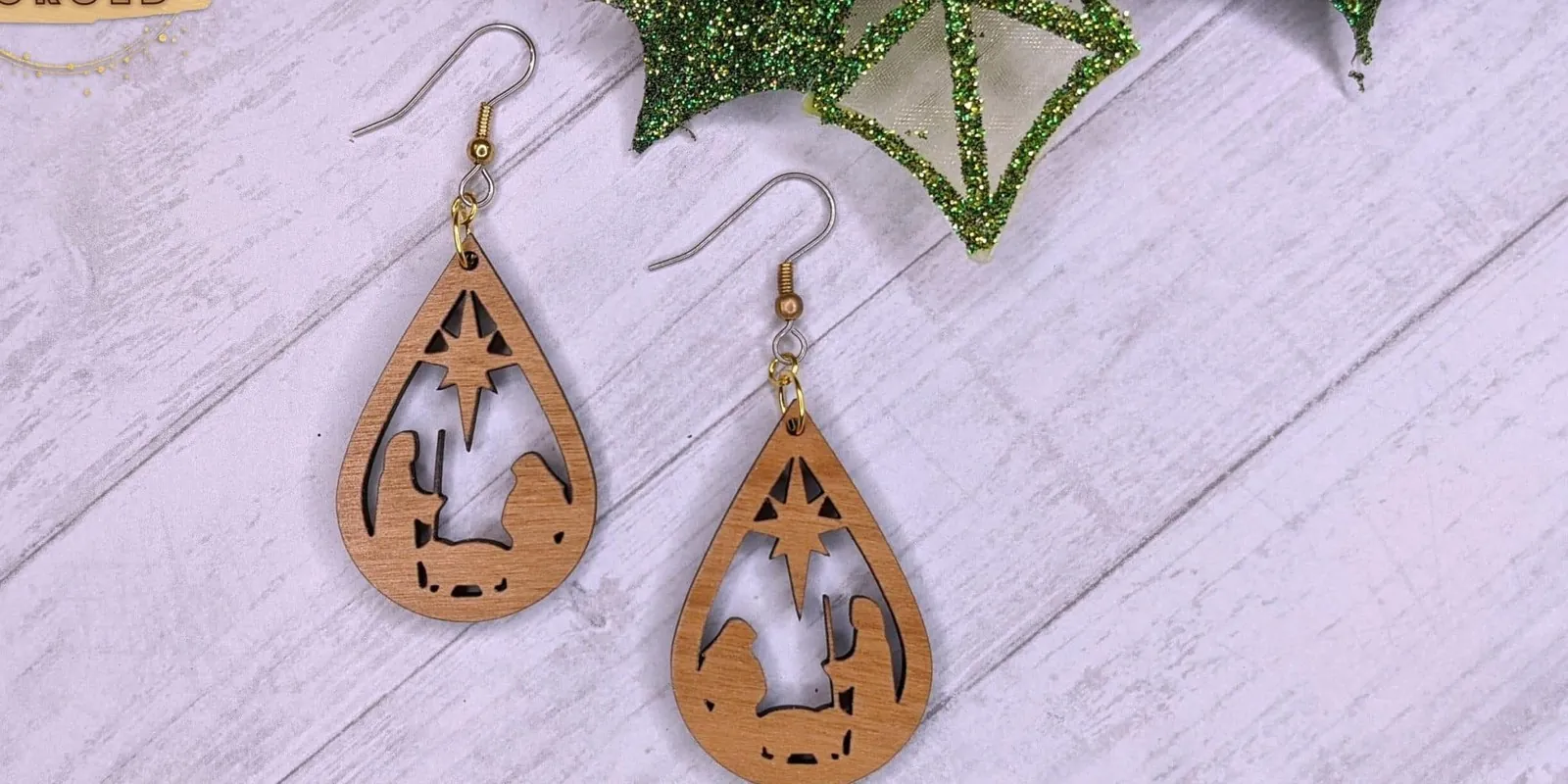
The best Christmas earrings: nativity, Star of Bethlehem and cross designs
Faith earrings for Christmas that she can wear to church and keep for years, with picks for sensitive ears and a nativity pair under $10.

The best food earrings
Hand-sculpted donuts, cheesecake slices and cupcakes from small makers, most of them $12 to $45 a pair, with what goes through her ear.
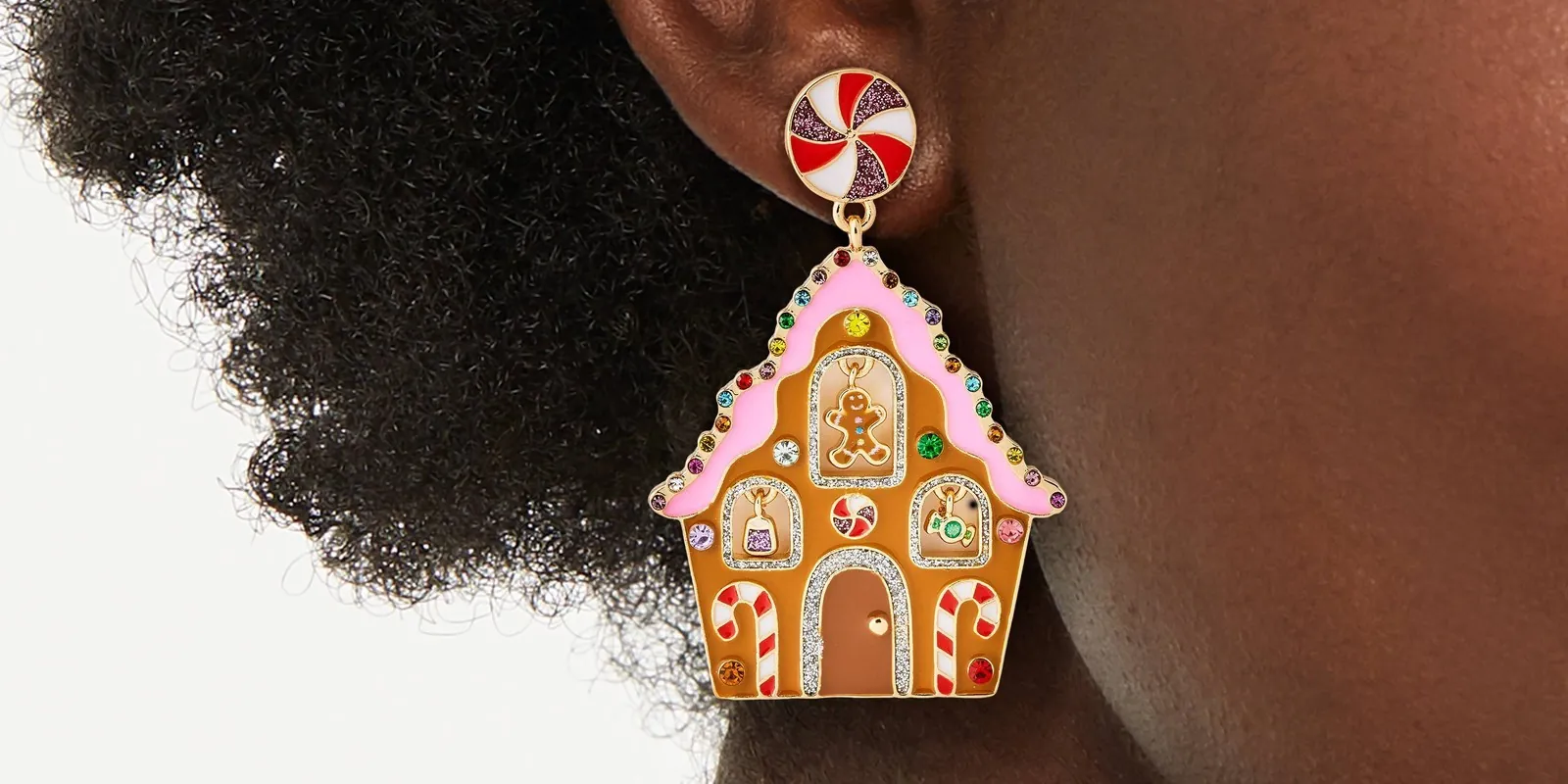
The best holiday earrings for teens and young women
Gingerbread houses, trees, reindeer and snowflakes that are fun to wear and good enough to keep, with picks for sensitive ears and for stocking stuffers.
The best mushroom earrings
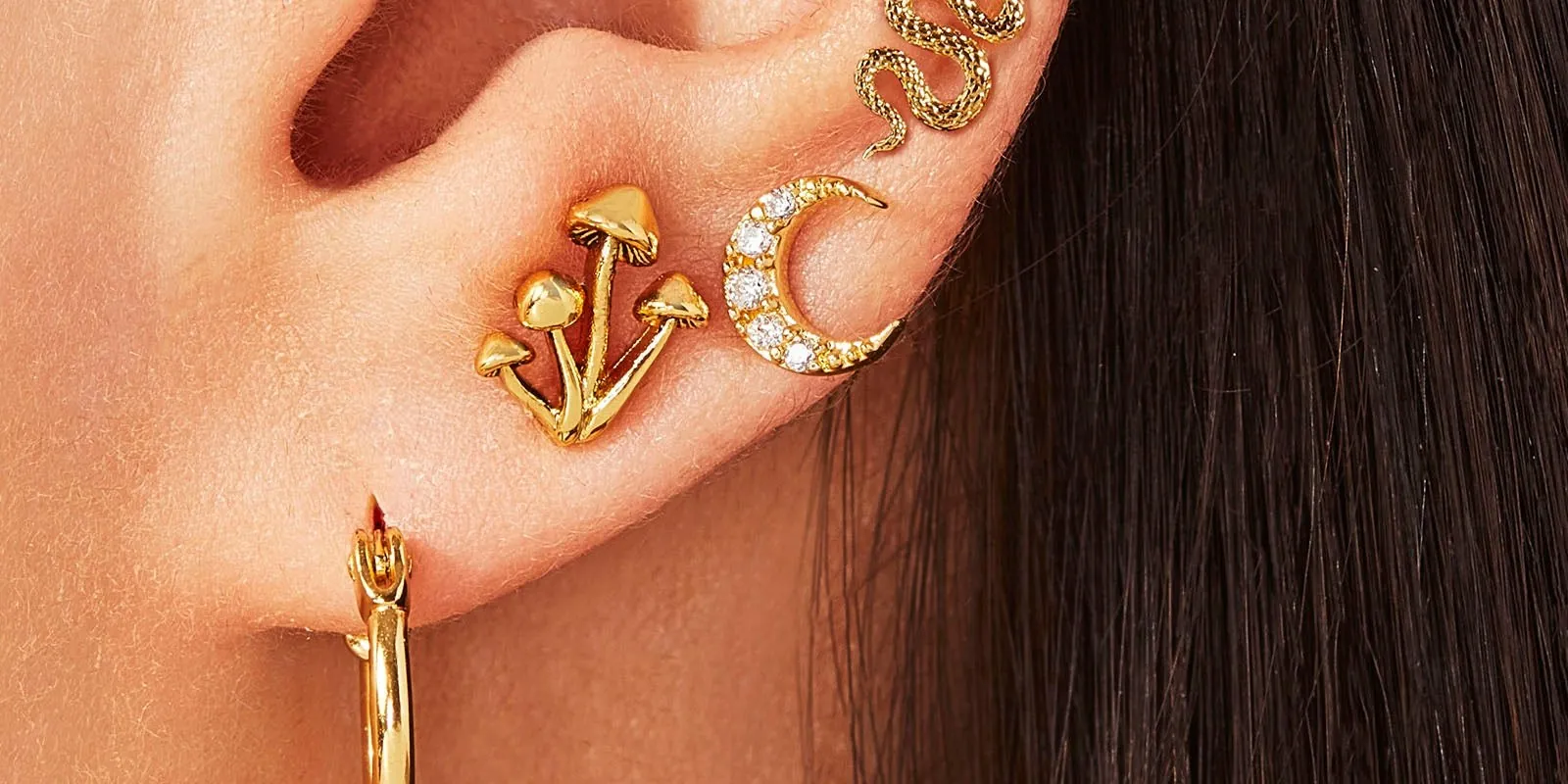
Spotted toadstools, metal mushroom clusters and copper mushrooms, mostly $10 to $40 a pair, with what goes through her ear.
The best ring sizer, and how to find your real ring size at home
A solid metal ring sizer as wide as the ring you'll wear gives a truer size than a thin or flexible one. Here's what to buy and how to measure.
The best birthstone necklaces, birth flower necklaces and mom necklaces
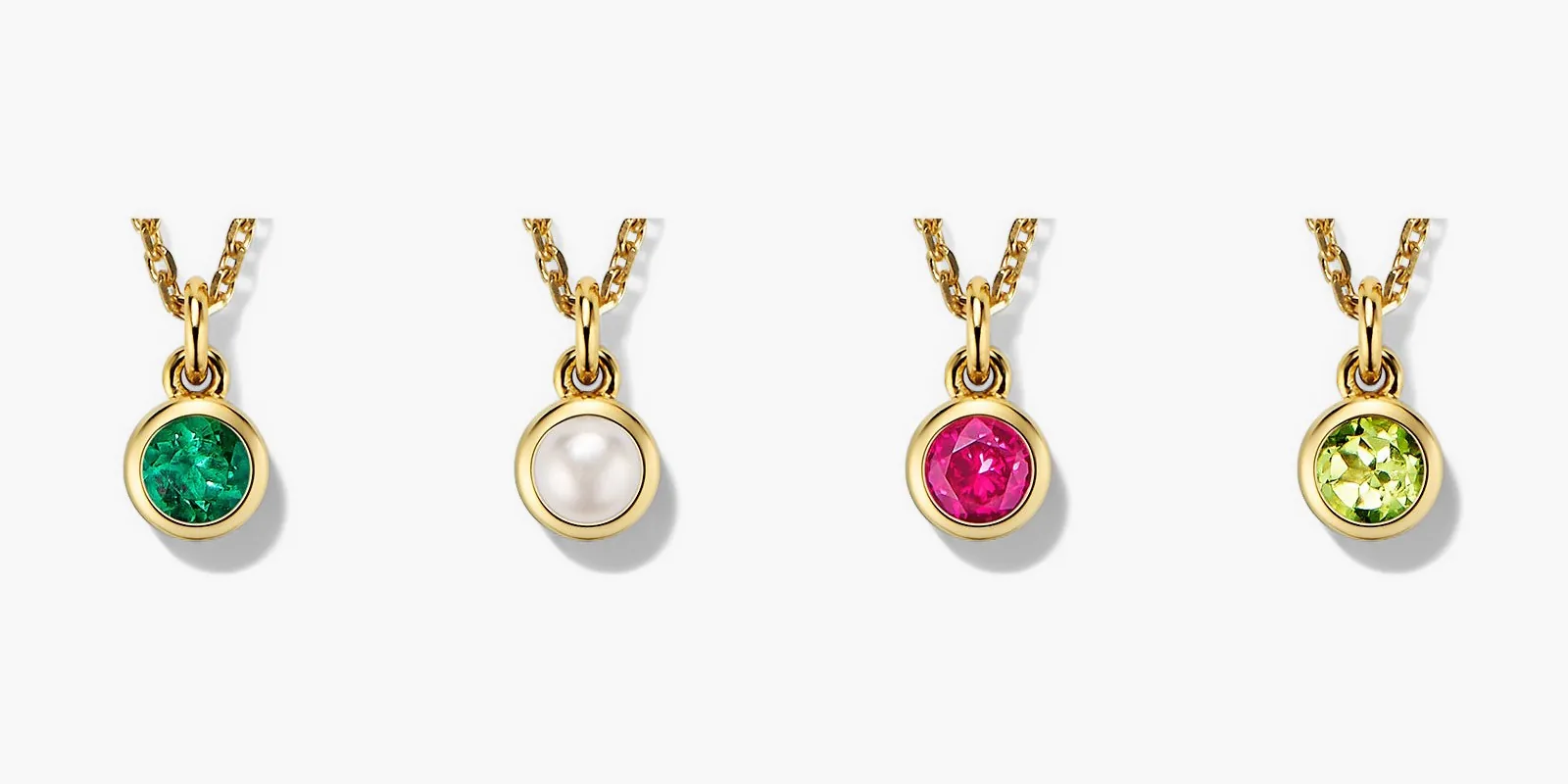
Most birthstone necklaces under $200 are cubic zirconia or glass. Here are the ones with real stones, and what the rest really use.
The best cheap necklaces under $30 that hold up
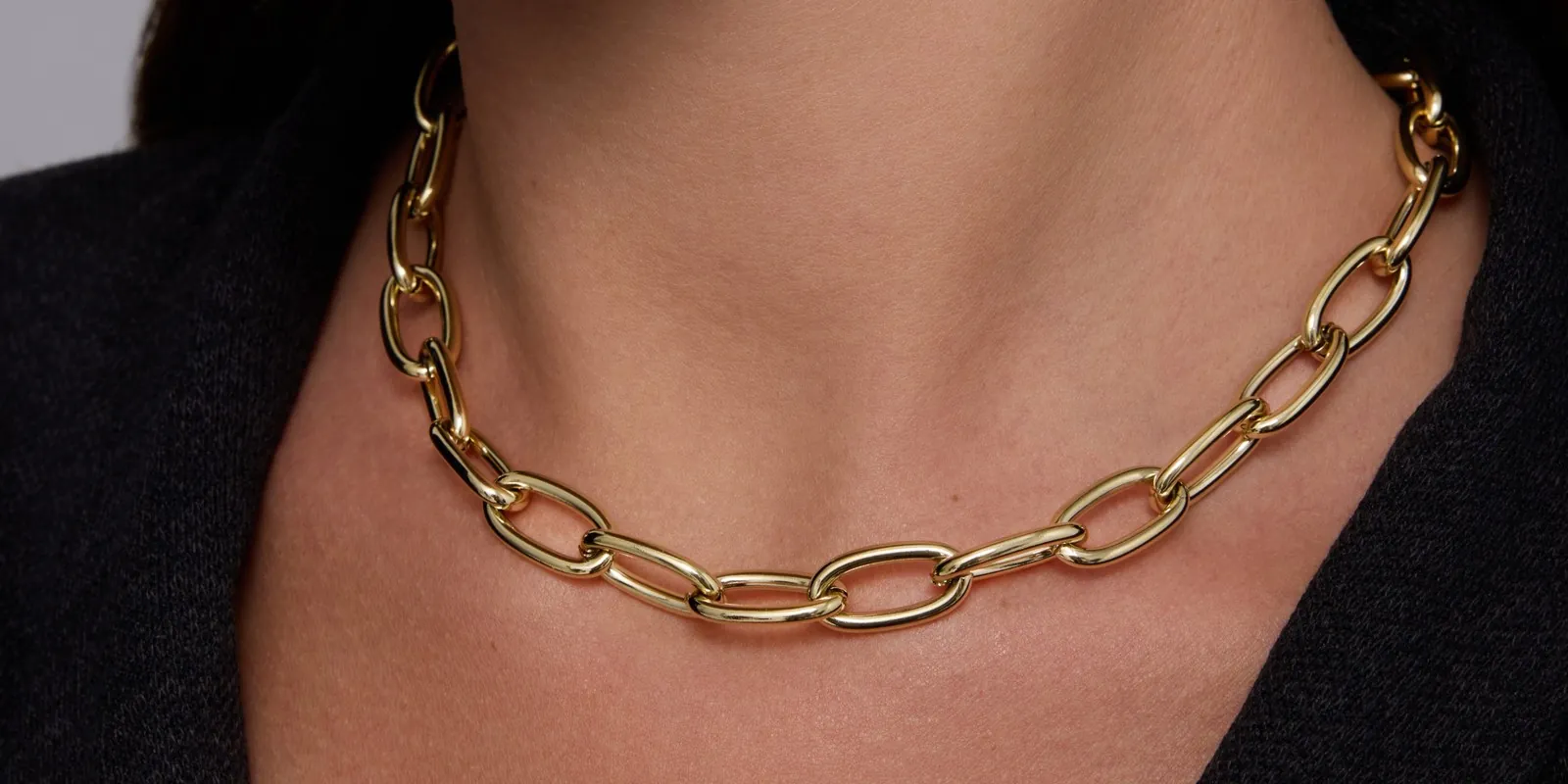
Most cheap gold necklaces are plated brass that wears off and turns necks green. These stainless steel ones last.
The best cross and faith necklaces for girls and women
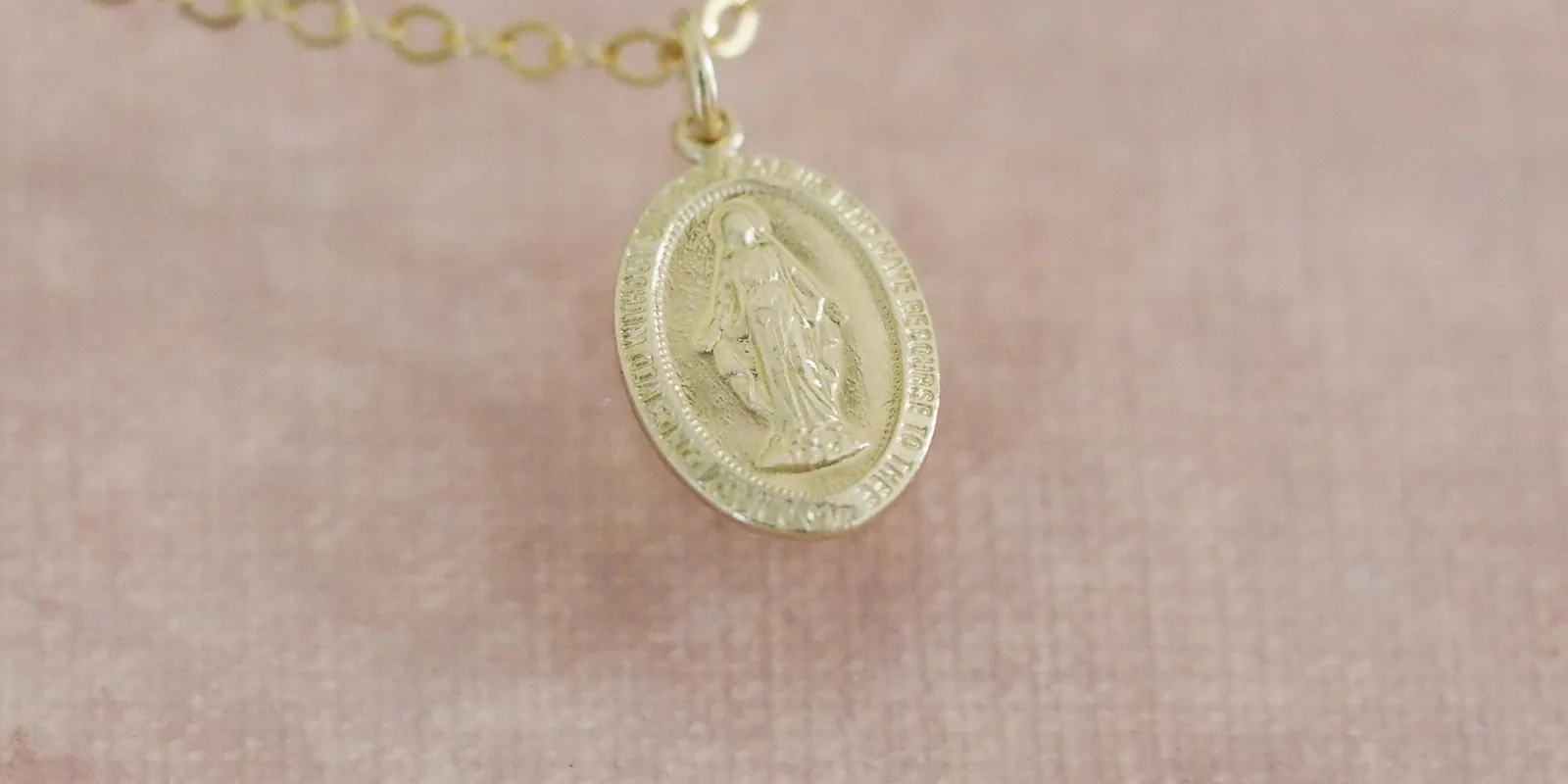
Crosses and Miraculous Medals in real metal, on chains that match, and which ones arrive in time for a baptism or confirmation.
The best earrings for sensitive ears under $100
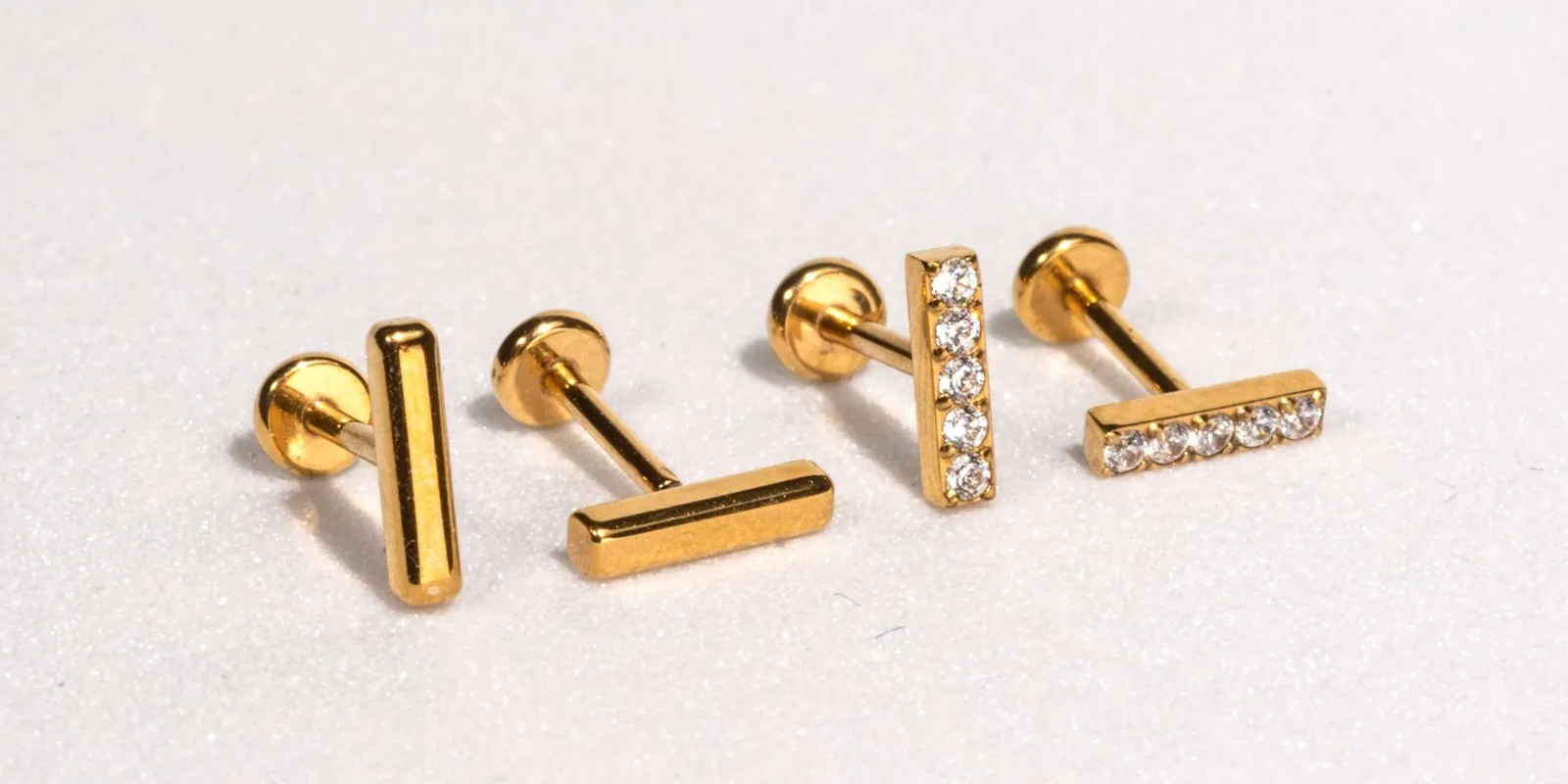
Titanium, niobium and solid yellow gold pairs from $41 to $98, with what each post and back is made of and why the metal matters more than the label.
The best earrings for sensitive ears under $30
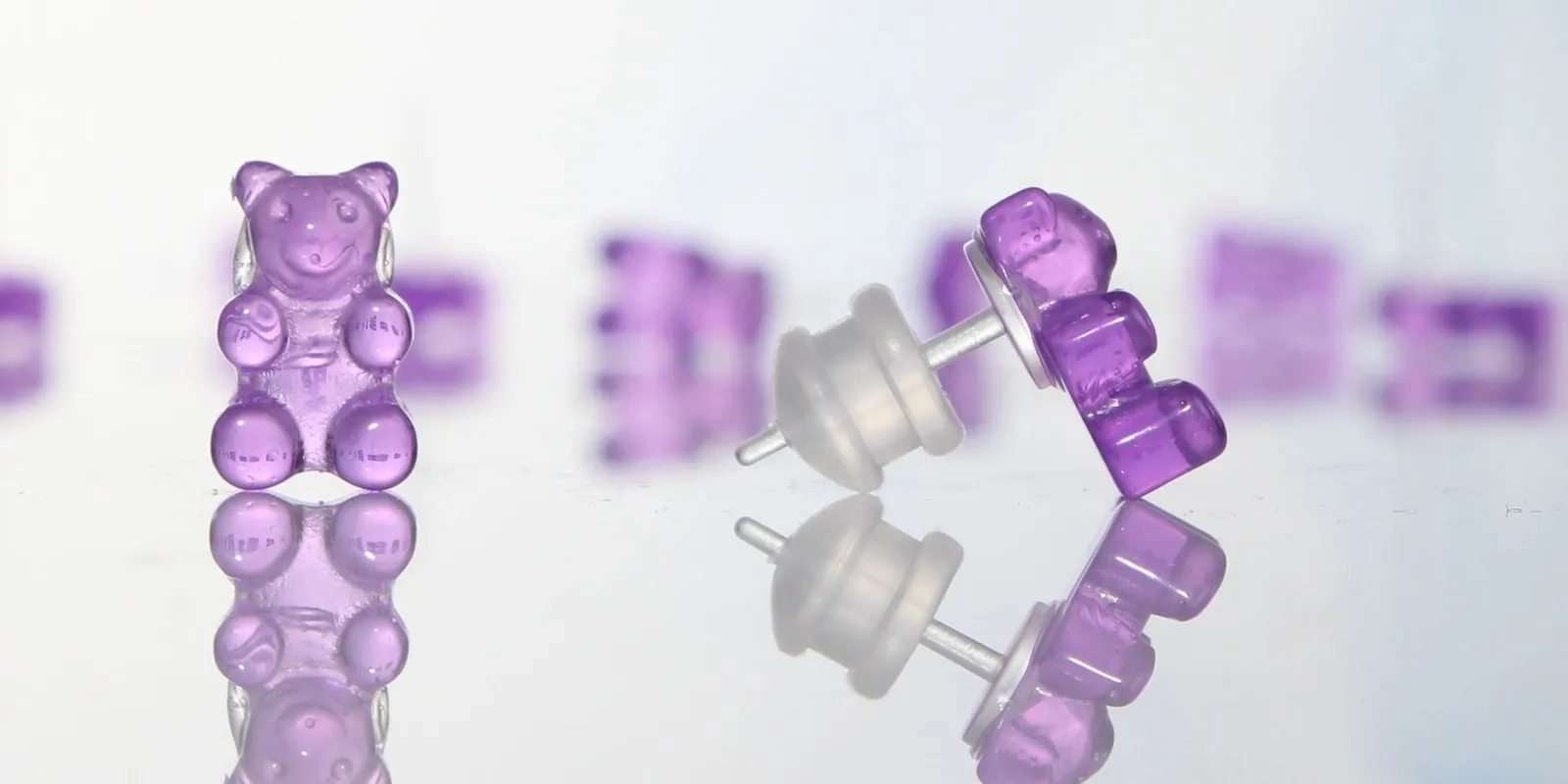
Gummy bears, rainbows, book stacks and moons on posts her ears can handle, with what each post is made of and which metals to look for.
The best earrings you can sleep in
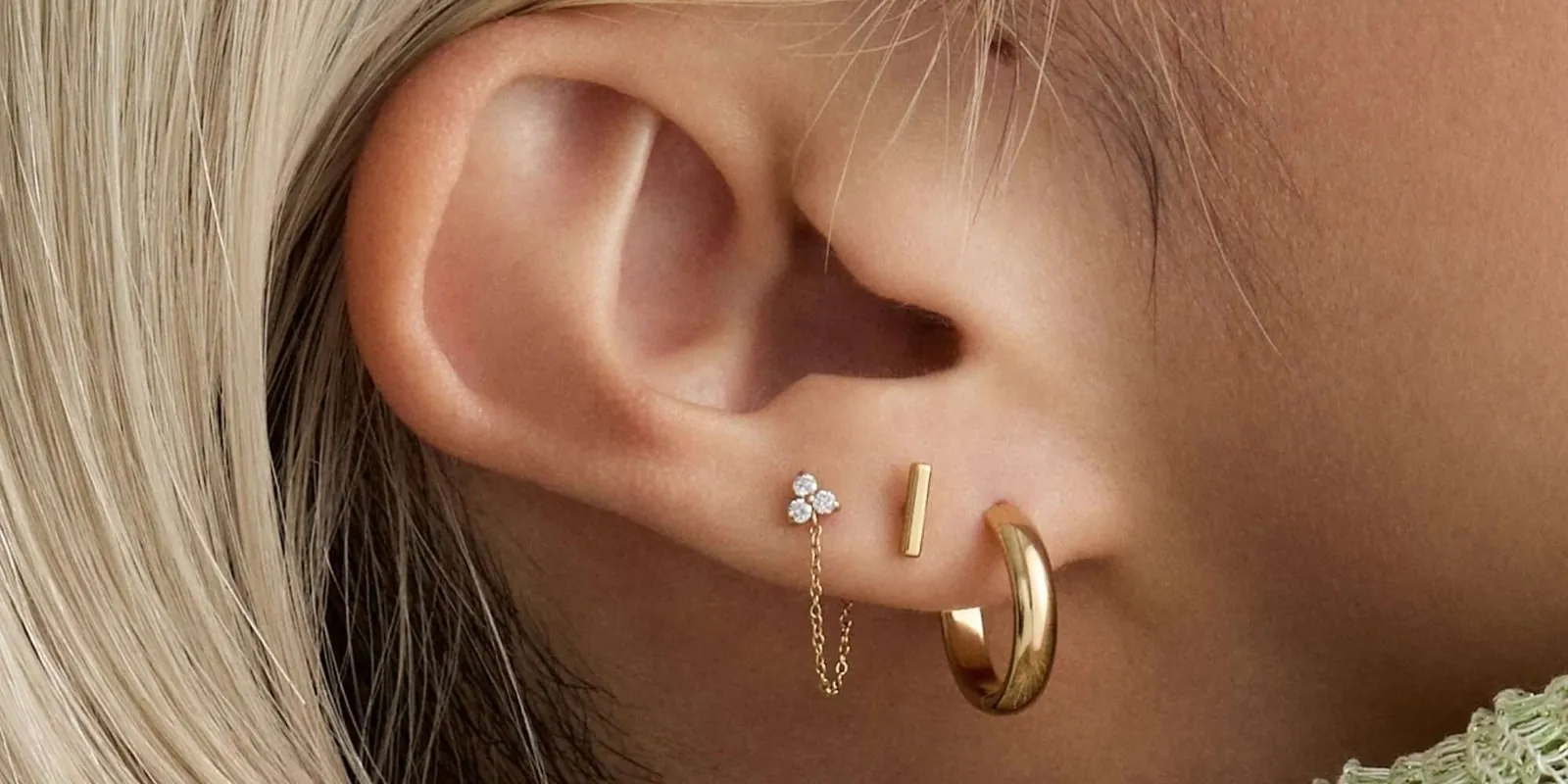
Flat-back studs and small hoops that don't poke her neck or come loose overnight, in titanium or solid gold, with what each pair really costs.
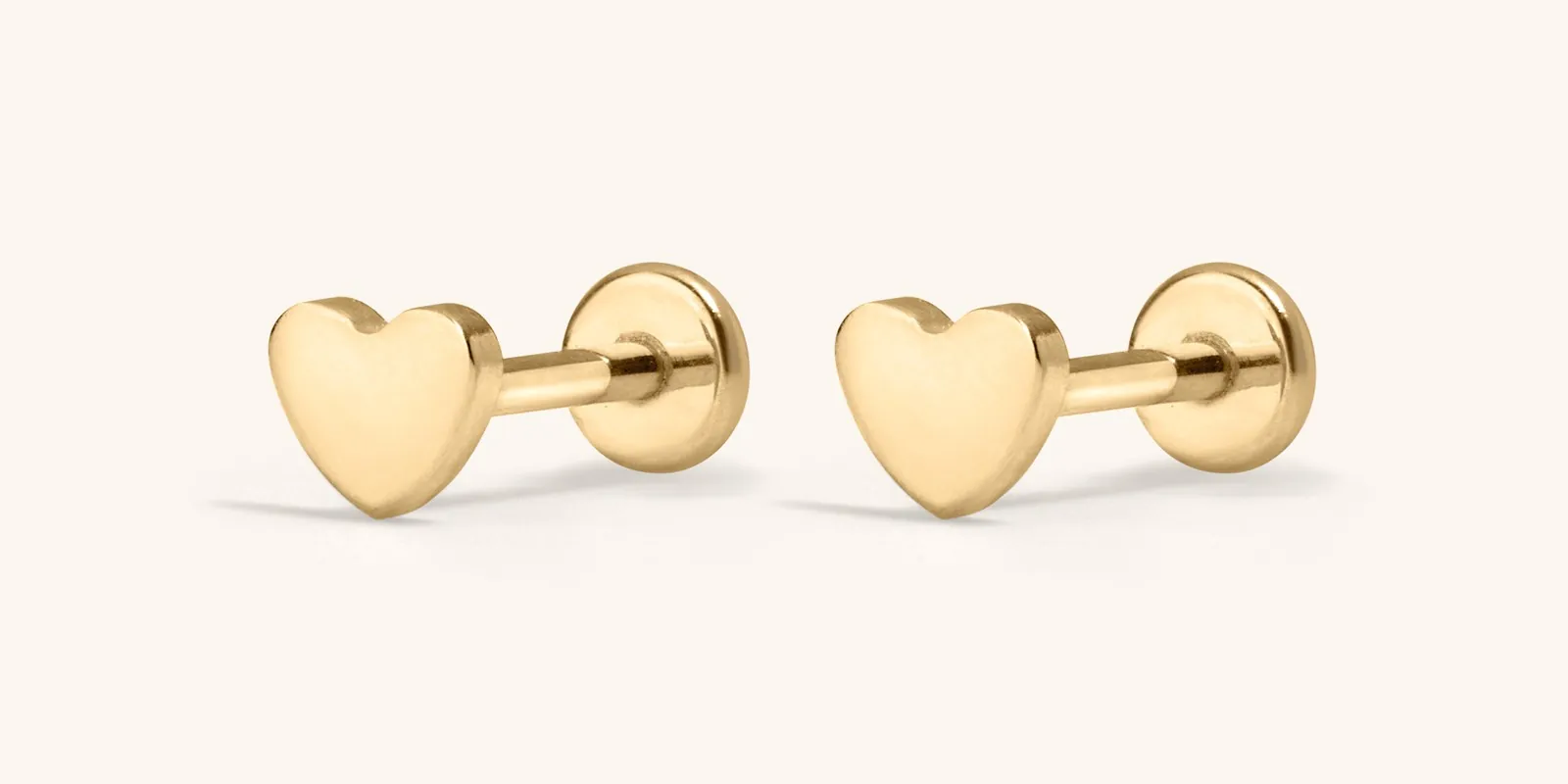
The best first earrings for kids and newly pierced ears
Where to get ears pierced, which studs to heal in, how to keep them clean, and the first fun pairs once they've healed.
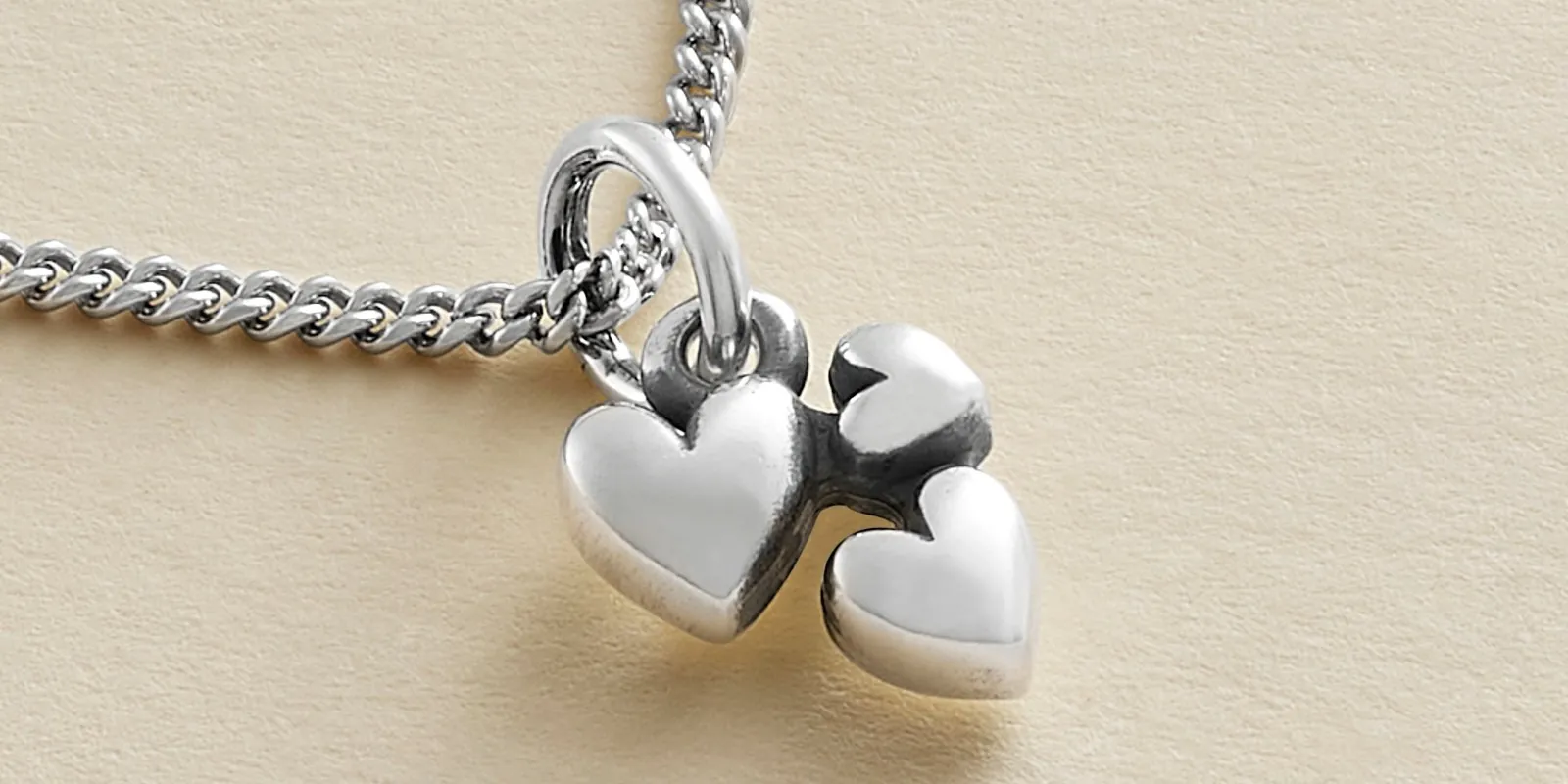
The best first necklace for a teen or tween girl
The two necklaces teens ask for most are gold-plated brass. Here's a real one she'll wear for years, for under $100.
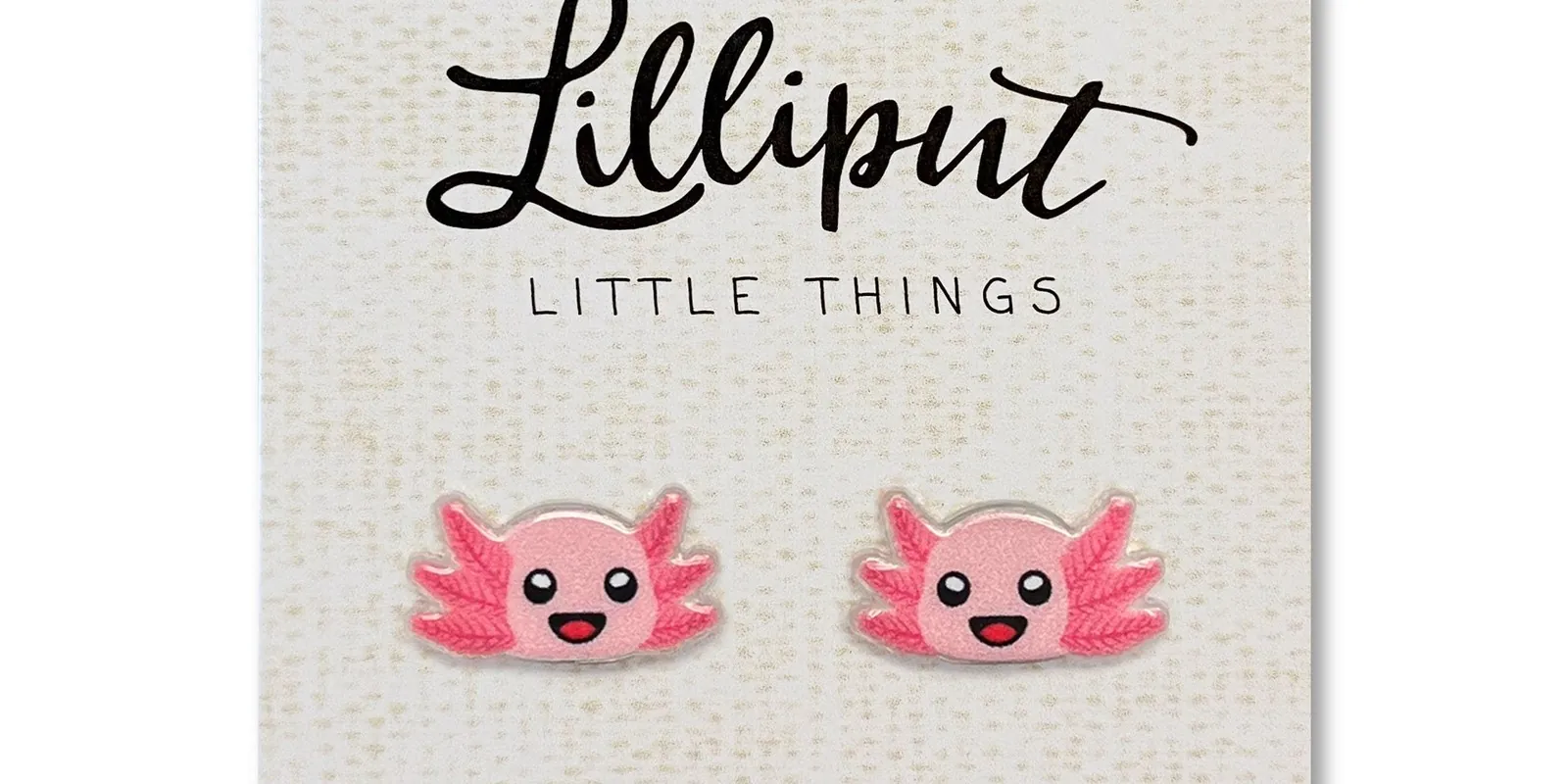
Fun earrings that aren't junk
Food, animals, mushrooms, moons, bows and quirky objects, $10 to $40 a pair, from shops that say what goes through her ear.
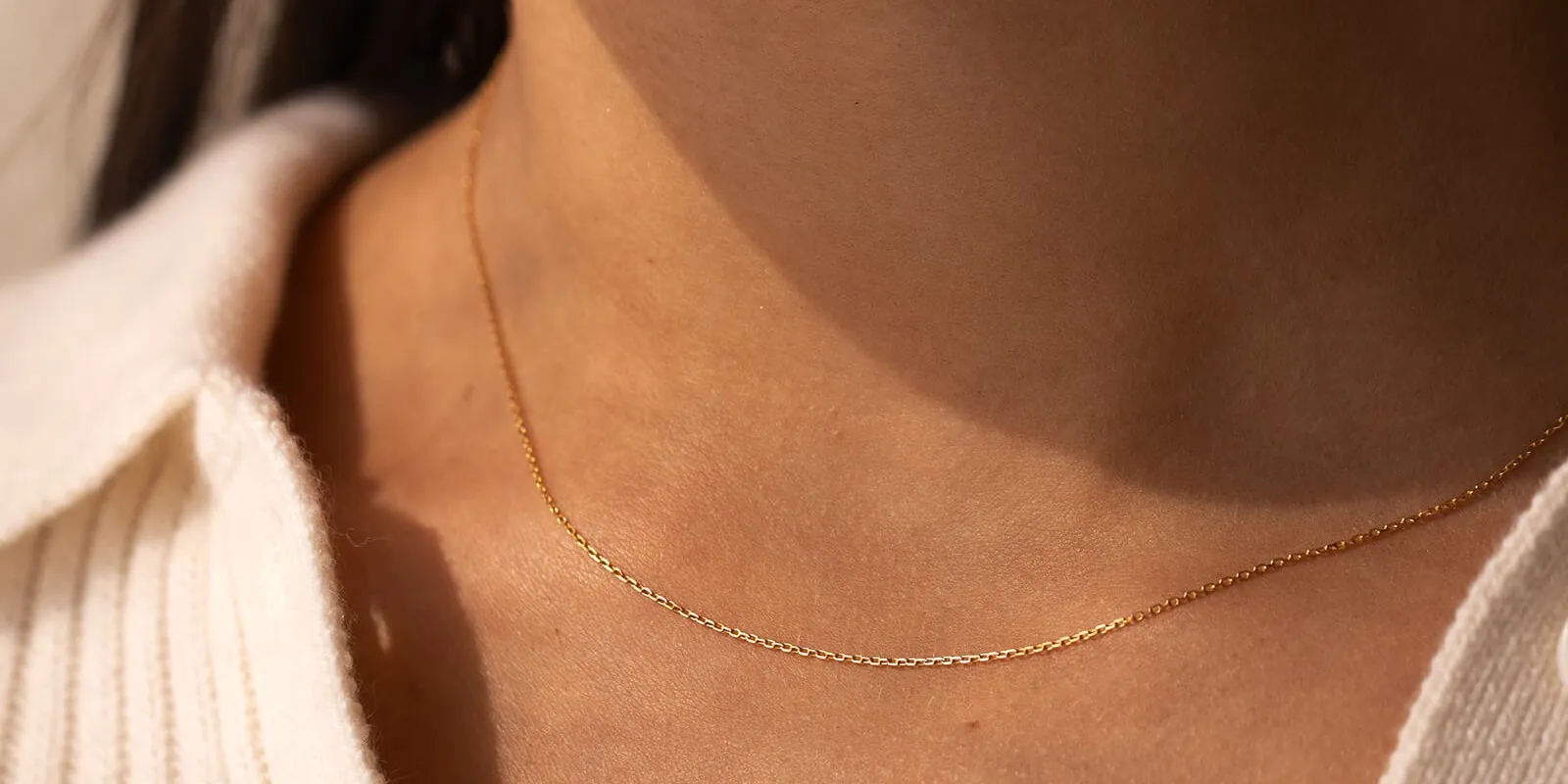
The best gold necklaces you can shower in
Everyday gold chains she never has to take off, and what the metal and the links mean for showers, sleep, sweat and swimming.
The best handmade earring shops
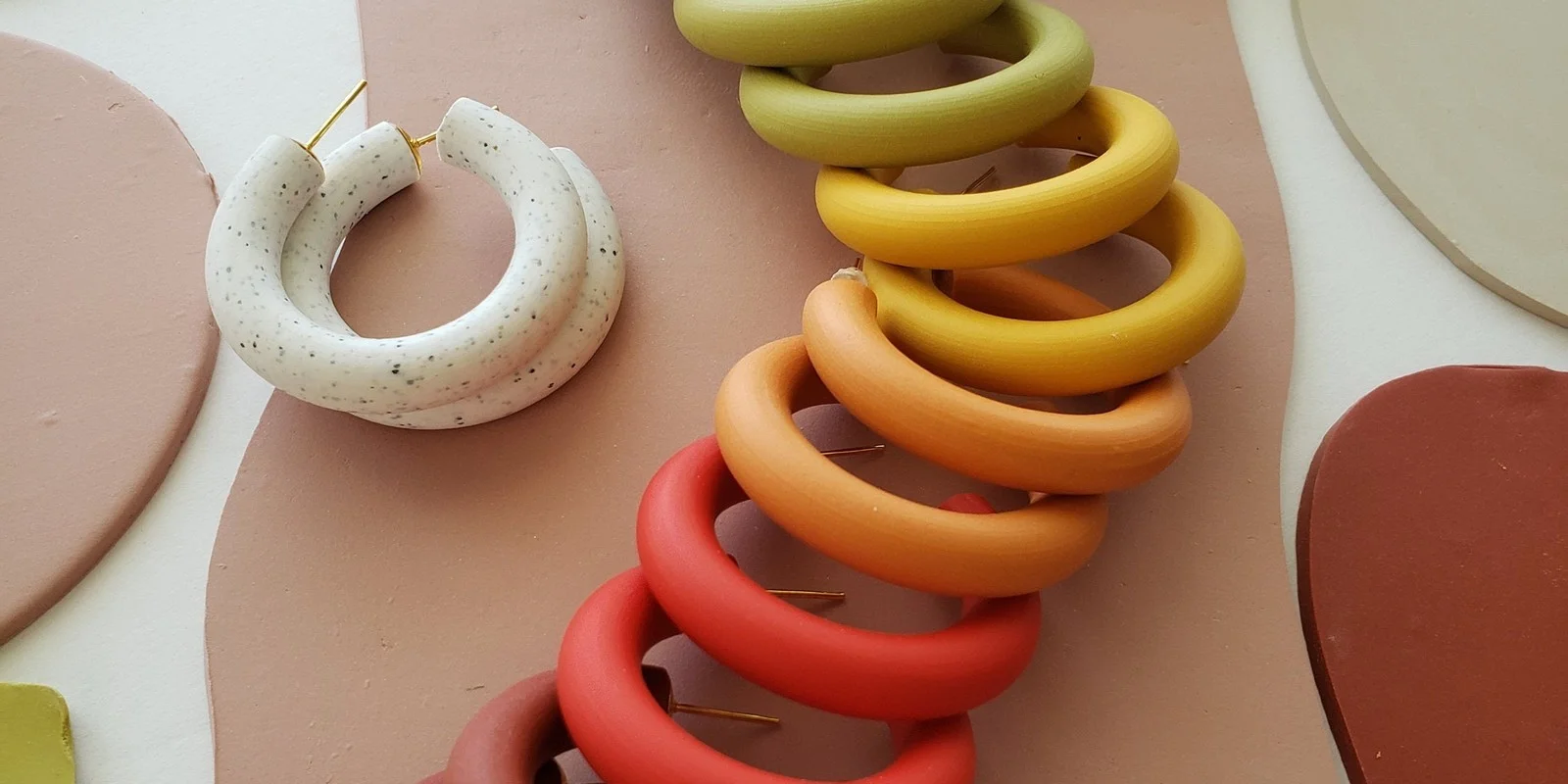
The small shops earring fans keep naming, with one or two real pairs from each, mostly $18 to $30.
How to tell a good necklace from junk
Read what the chain is made of all the way through. What each metal word and stamp means, which chains and clasps hold up, and the listing tricks to watch for.
The best initial and name necklaces
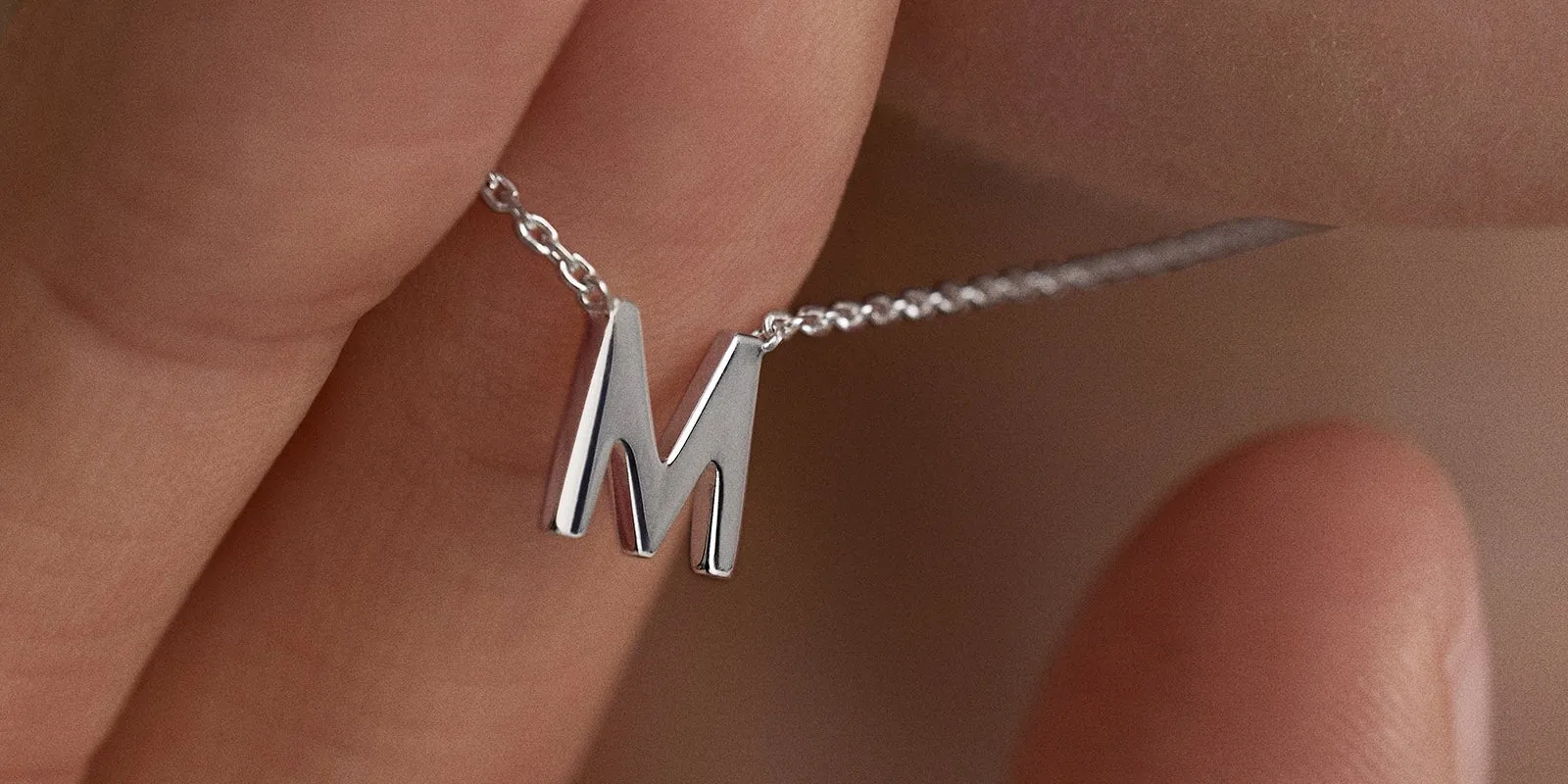
Initial necklaces worth buying for about $20 to $150, with what each letter, chain and clasp is made of and what happens if the letter comes out wrong.
The best necklaces for young women
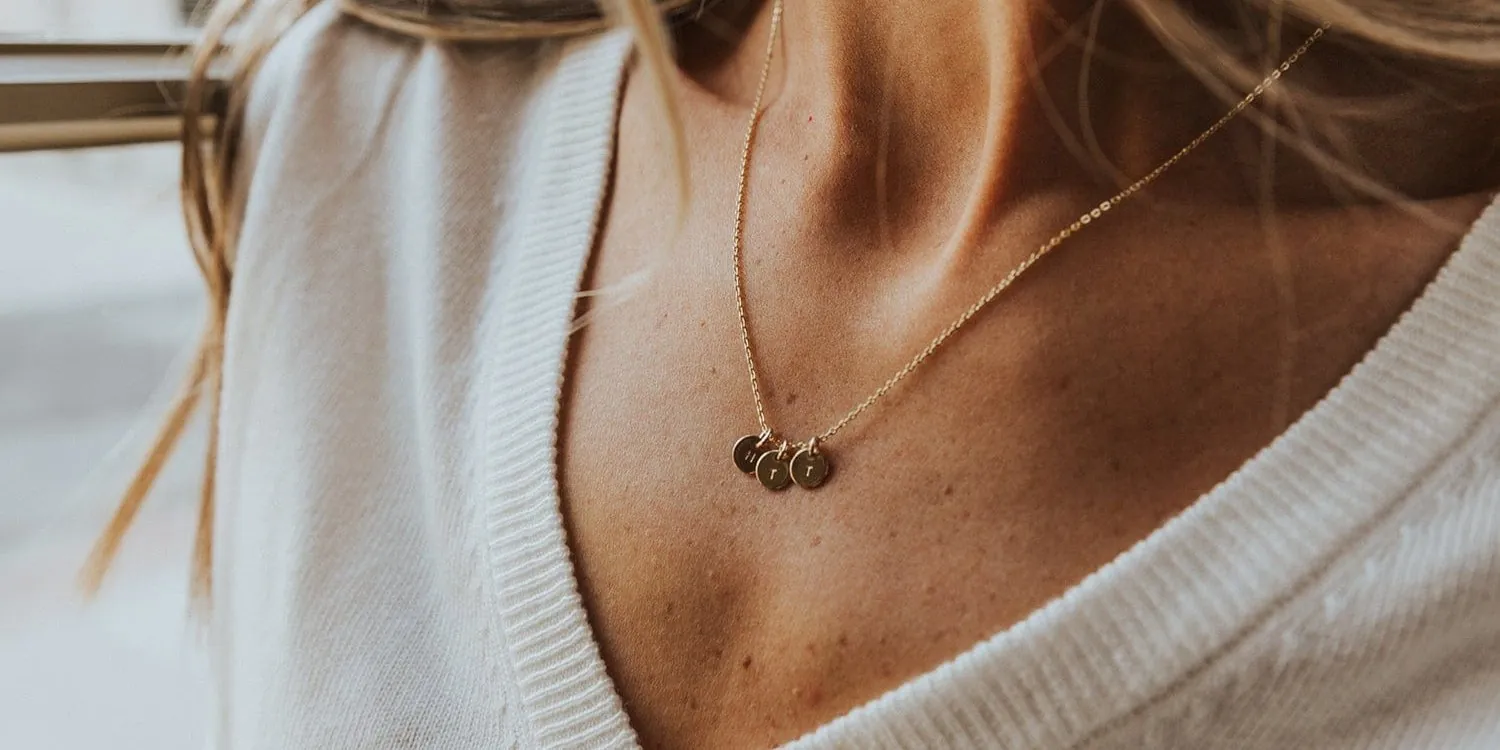
Simple, lasting necklaces under about $100, whether you're buying for a daughter, a girlfriend or yourself. The metal matters more than the brand, so I picked by what each necklace is made of.
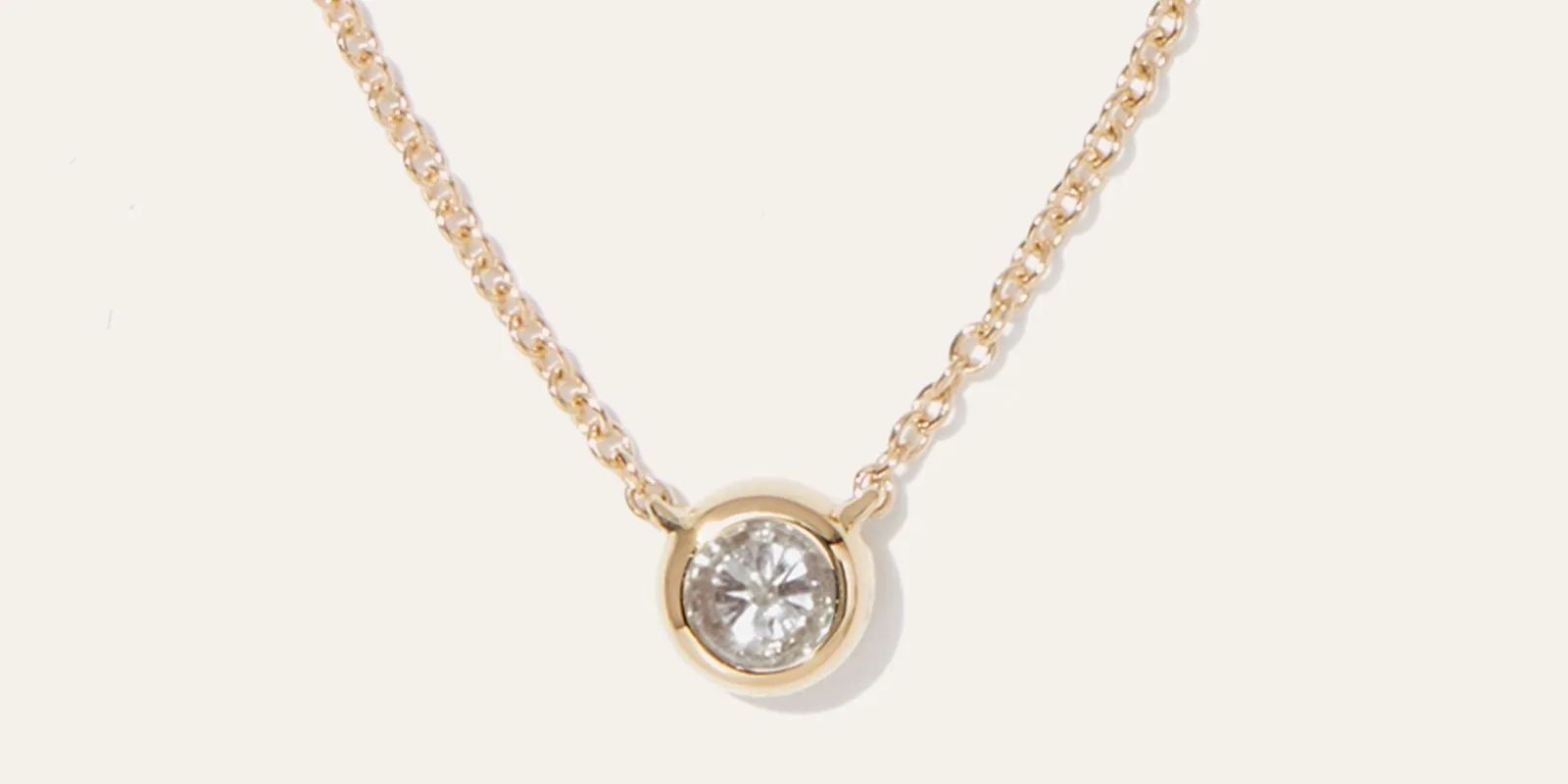
The best gold necklace gift for her under $300
Solid gold with a real diamond is hard to find under $300. Here's what each price actually buys, and which stones are really gems.
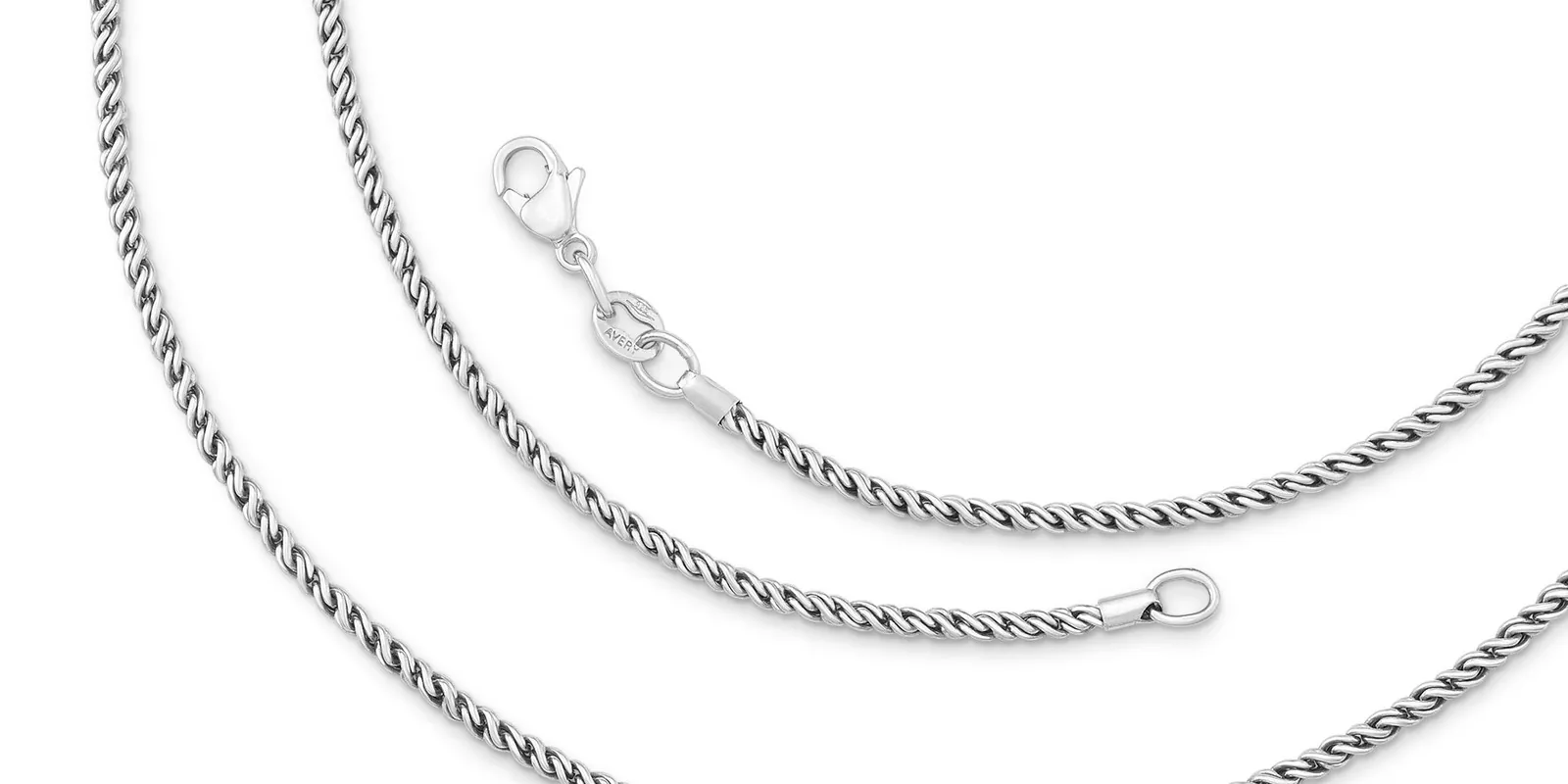
The best necklaces for sensitive skin and nickel allergies
Most "hypoallergenic" and "titanium" necklaces are coated steel. Here's what's actually safe to wear when nickel makes your neck itch.
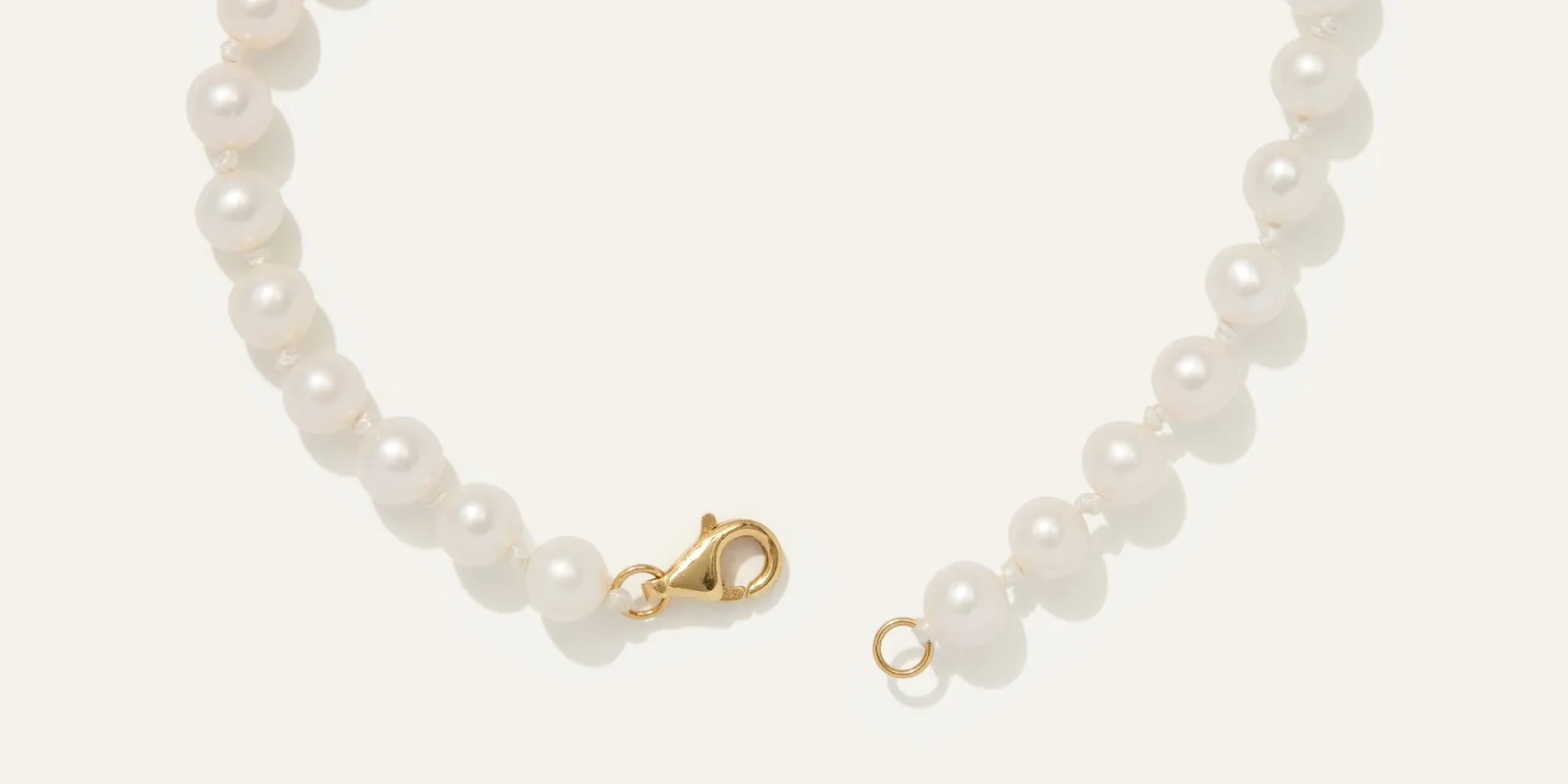
The best real pearl necklaces and pendants under $250
Real pearls, not shell or glass. Here's what you get for $250 or less, what the clasp and chain are really made of, and how long you have to send it back.
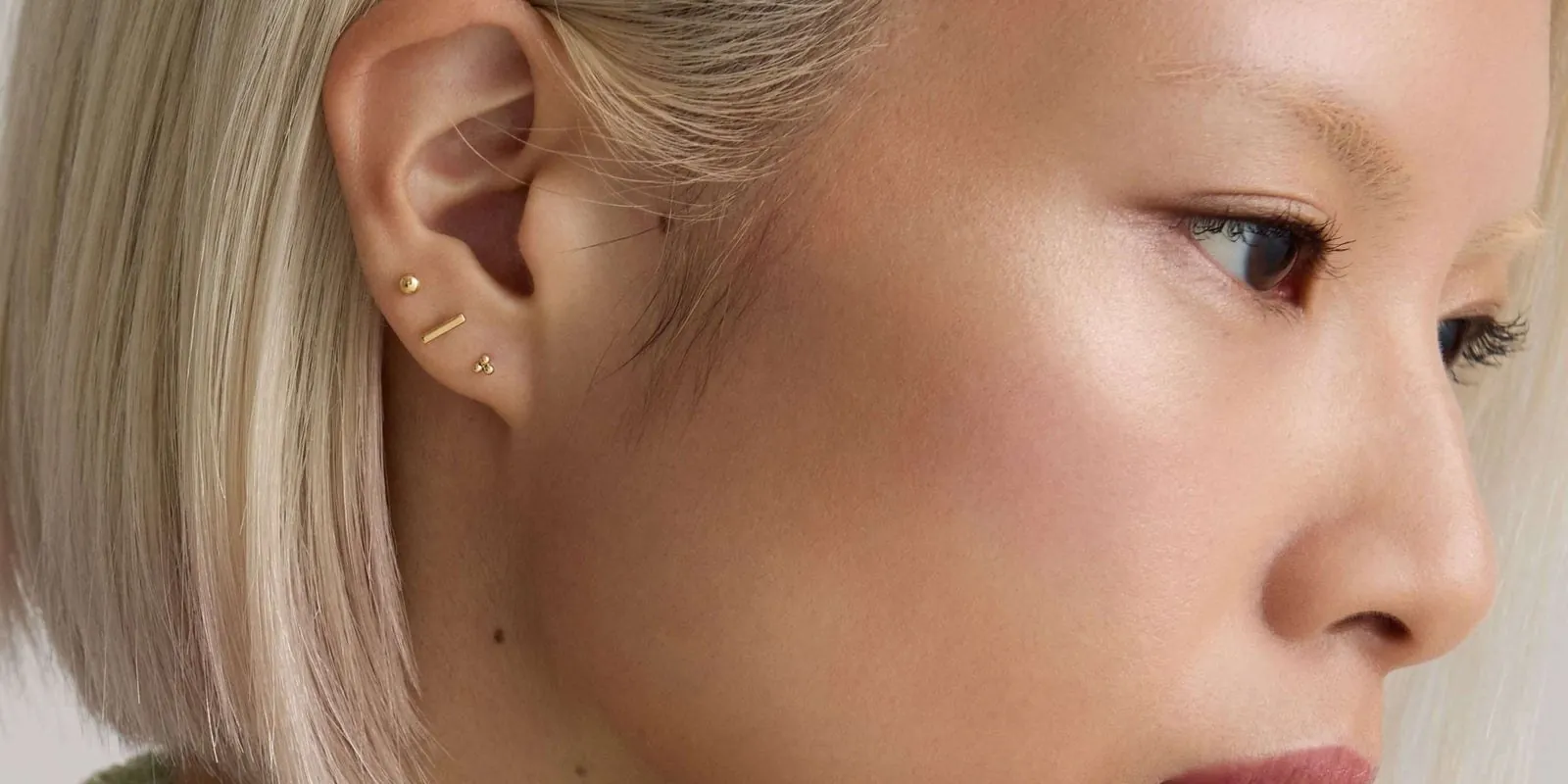
The best earrings to give your daughter in her 20s
Simple pairs under $100 she'll wear every day, sorted by the kind of earring wearer she is: one she never takes off, real gold, touchy ears, a stack of piercings, or a small stocking stuffer.
- American Academy of Dermatology, Nickel allergy: how to avoid exposure and reduce symptoms: www.aad.org/public/diseases/eczema/insider/nickel-allergy.
- DermNet, Nickel allergy: dermnetnz.org/topics/nickel-allergy.
- von Spreckelsen B. et al., Nickel Allergy and Piercings: A Systematic Review and Meta-Analysis, Contact Dermatitis, 2025: pmc.ncbi.nlm.nih.gov/articles/PMC12415668.
- Jensen M.B. et al., Gold and Nickel Release From Gold-Plated Earrings Under Cysteine-Modified Artificial Sweat Conditions, Contact Dermatitis, 2026: researchprofiles.ku.dk/da/publications/gold-and-nickel-release-from-go.
- Haudrechy P. et al., Nickel release from nickel-plated metals and stainless steels, Contact Dermatitis, 1994: pubmed.ncbi.nlm.nih.gov/7842681.
- Nebraska Medicine, Why does some jewelry turn my skin green?: www.nebraskamed.com/health/questions-and-answers/you-asked-we-answered.
- Cleveland Clinic, Infected ear piercing: my.clevelandclinic.org/health/diseases/21503-infected-ear-piercing.
- Association of Professional Piercers, Jewelry for Initial Piercings: safepiercing.org/jewelry-for-initial-piercings.
- AZoM, Stainless Steel Grade 316L: www.azom.com/article.aspx?ArticleID=2382.
- Raykhtsaum G. and Agarwal D.P., White Gold Piercing Jewelry and The Nickel Directive, Santa Fe Symposium, 2007: www.santafesymposium.org/2007-santa-fe-symposium-papers/2007-white-gol.
- Federal Trade Commission, Guides for the Jewelry, Precious Metals, and Pewter Industries, 16 CFR Part 23: www.ecfr.gov/current/title-16/chapter-I/subchapter-B/part-23.
- U.S. Consumer Product Safety Commission, Jewelry FAQ: www.cpsc.gov/FAQ/Jewelry.
- EUR-Lex, Commission Directive 2004/96/EC on nickel in post assemblies for pierced ears: eur-lex.europa.eu/eli/dir/2004/96/oj/eng.
- Danish Environmental Protection Agency, Fact sheet: nickel: eng.mst.dk/chemicals/chemicals-in-products/chemical-legislation/fact-s.
- Forbrugerrådet Tænk (Danish Consumer Council), Chemicals in cheap jewelry, 2025: taenk.dk/chemicals-cheap-jewelry.
- Creating Unkamen, 5 Pairs Hypoallergenic Titanium Ear Wires: www.creatingunkamen.com/products/hypoallergenic-basic-titanium-ear-wir.
- The Argus Collection, TierraCast Niobium French Hook Ear Wires, Regular Loop: thearguscollection.com/products/tc-niobium-ear-wires-regular.
- Creating Unkamen, Flat Nose Chainmailler's Pliers: www.creatingunkamen.com/products/flat-nose-chainmaillers-pliers-perfec.
- Creating Unkamen, A, B, C's of Opening and Closing a Jump Ring (video): www.youtube.com/watch?v=jWhhTjJe0jA.
Lancelot's List is an independent site. No company paid to be on this page. This guide gives general information.