
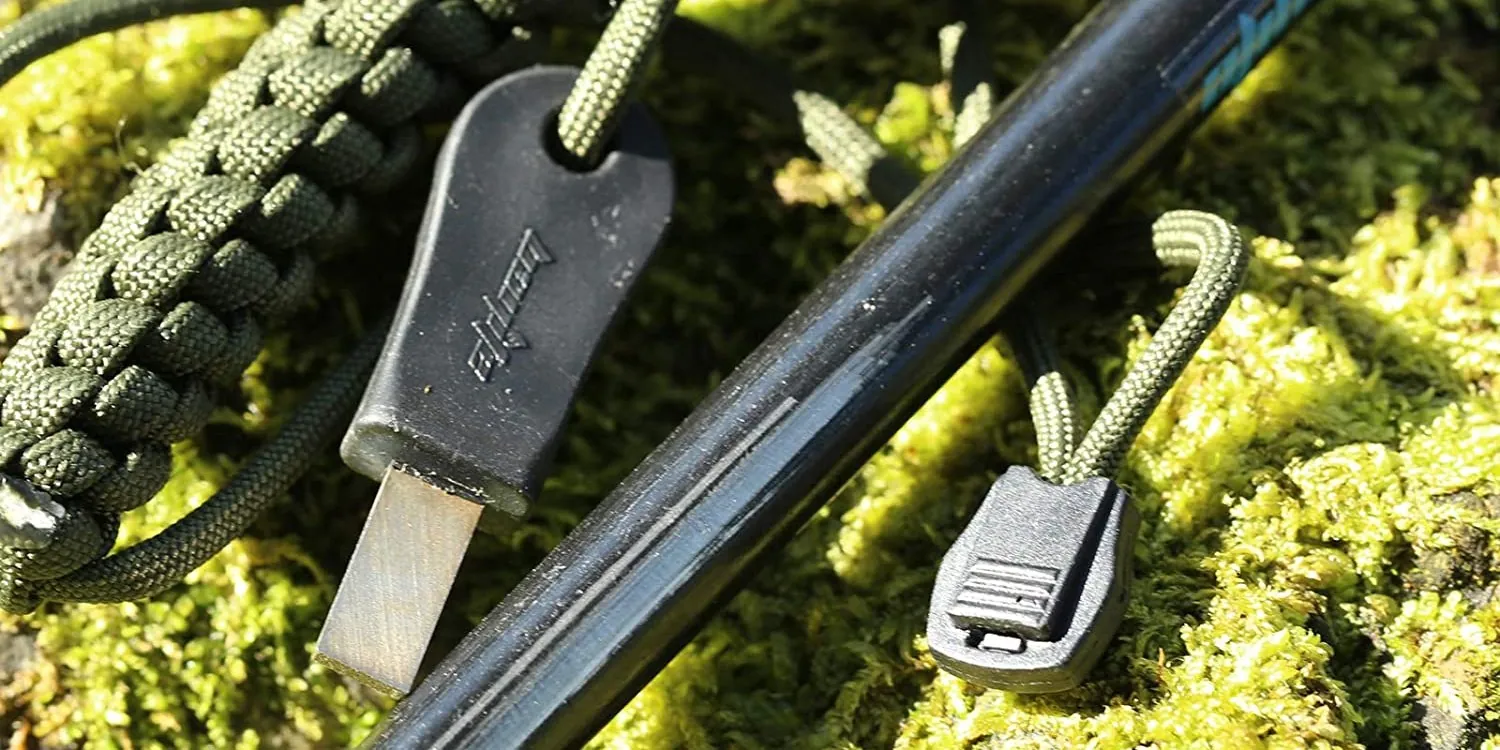
The best emergency fire starter to keep in a car or a hiking pack is a thick ferro rod. My pick is the Bayite 1/2 inch by 6 inch ferro rod with its striker. A ferro rod has no fuel to leak or freeze and no battery to die, and it throws sparks after being soaked and with numb, gloved hands. A ferro rod takes practice though, which is why I'd pair the Bayite rod with a UCO Stormproof Match Kit as the easy backup. I'd also add a bag of petroleum jelly cotton balls for tinder and a plain BIC lighter in your pocket.
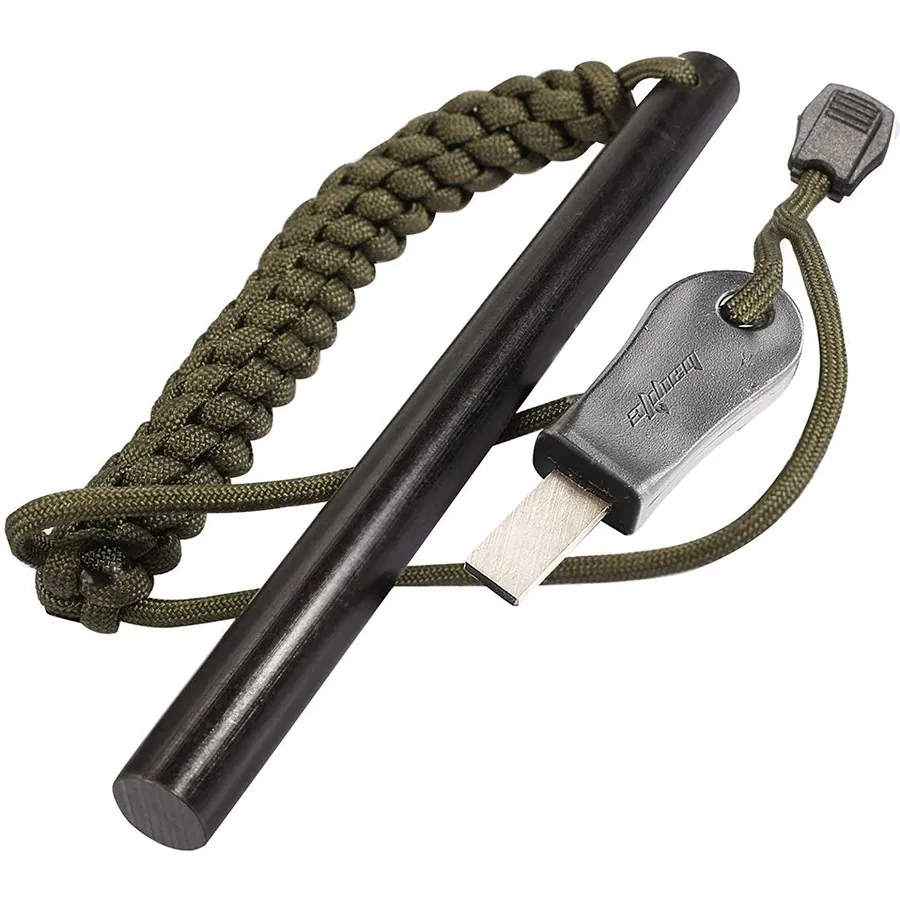
Bayite 1/2 inch by 6 inch ferro rod
A thick ferro rod with its own striker. It works wet and freezing cold, it has nothing to leak or run down, and both big ferro rod tests rate it a strong value.
See price on Amazon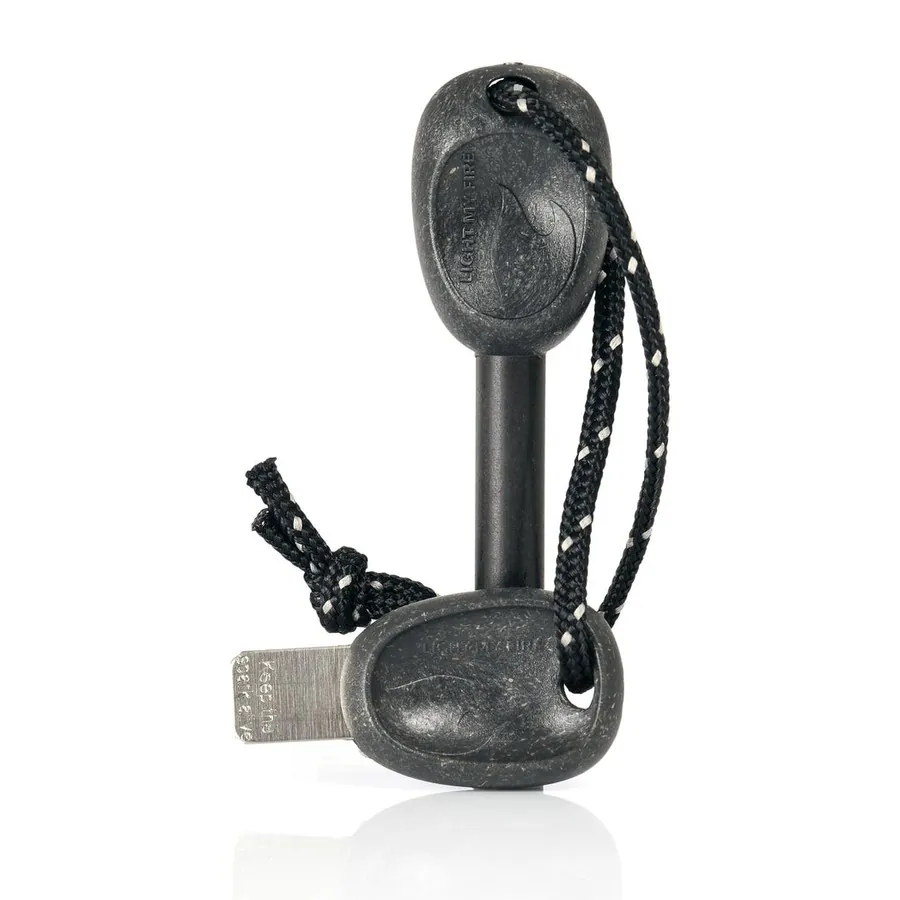
Light My Fire Swedish FireSteel army 2in1
The rod that won The Prepared's ferro rod test, with a whistle built into the striker. Light My Fire rates it at up to 12,000 strikes.
Compare price on Amazon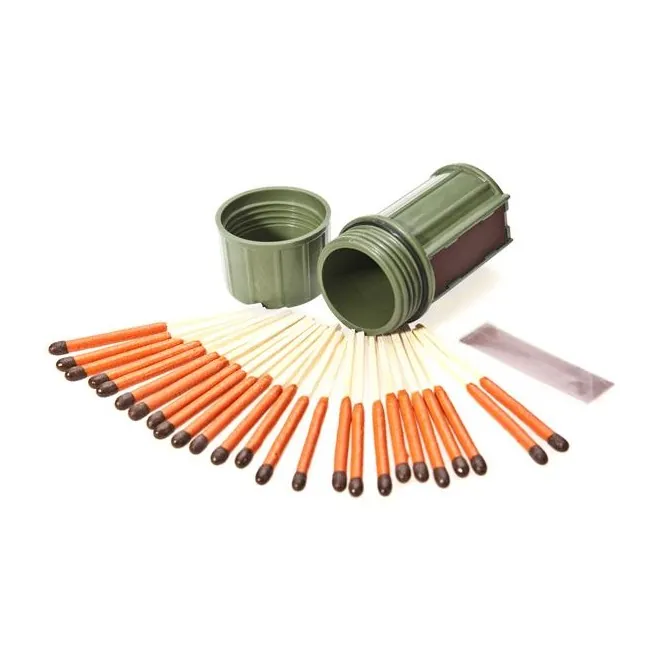
UCO Stormproof Match Kit
The easy backup for cold hands. The matches burn in wind and relight after being dunked in water, and the case floats.
See it at UCO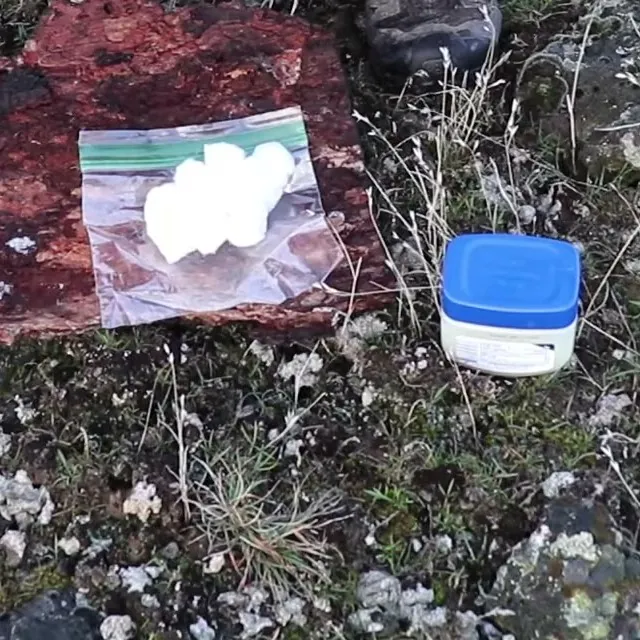
Petroleum jelly cotton balls
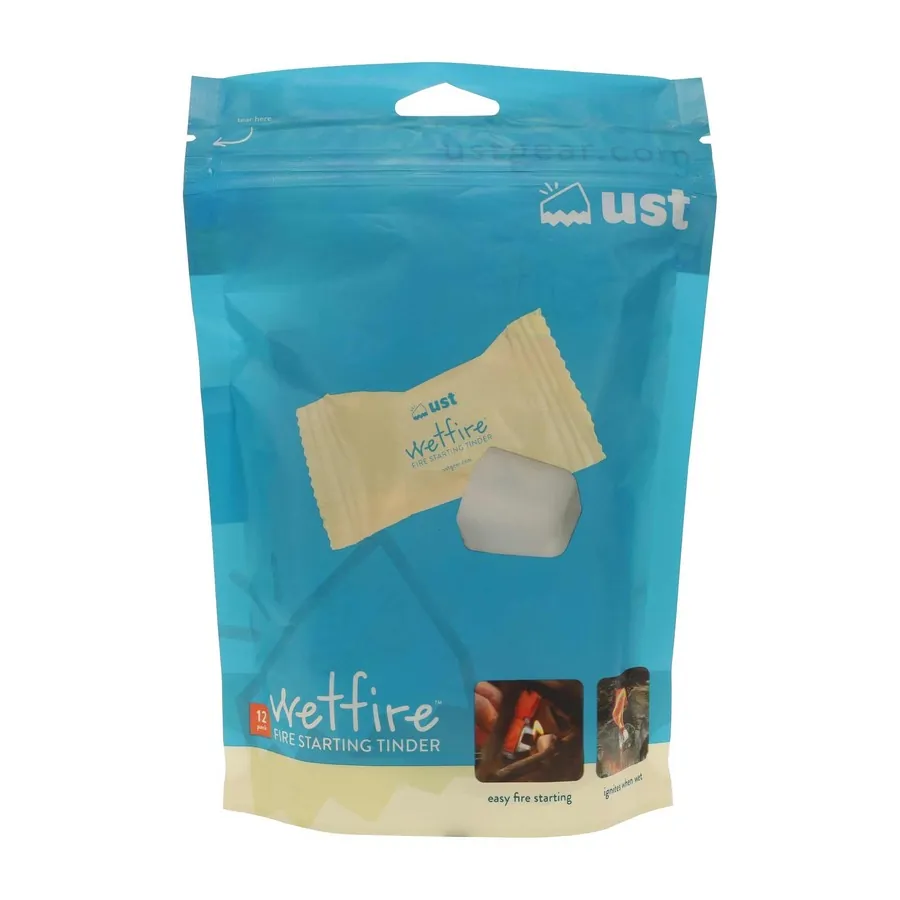
A spark needs something that catches easily. Cotton balls rubbed with petroleum jelly light from a ferro rod spark. If you'd rather buy tinder, UST WetFire is $10.99 for 12.
Pennies, made at home
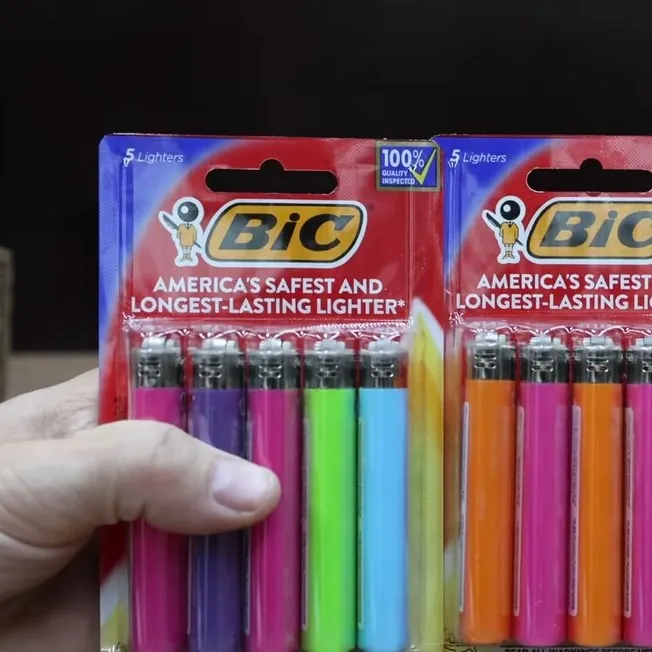
BIC Classic lighter
The easiest flame there is, as long as it's warm. Keep it in an inside pocket, because BIC says not to leave lighters in hot cars.
See price on AmazonWho this is for
This list is for anyone who wants to be able to make a fire if they get stranded. Maybe you're stuck on a mountain road in the snow, or you've gotten lost on a day hike and night is coming. A fire gives you heat, and people looking for you can see it.
The trouble is that the moment you need a fire is usually the worst moment to make one. Your hands are cold, things are wet, and the wind is blowing.
If you already carry a lighter, keep it. The point of this kit is to have more than one way to make a flame, because no single tool wins in every kind of weather.
Prices change, so you'll want to check the linked page before you buy. As an Amazon Associate, Lancelot's List earns from qualifying purchases.
How I picked
I judged every fire starter on what decides the outcome when you're stranded:
- Does it light when it's wet, cold and windy? That's when you'll need it.
- Does it still work after a year sitting in a hot or freezing car? A car kit sits untouched for a long time.
- Can someone who has never done this make it work? You may be scared and cold.
- How many fires does it give you?
- What does it cost?
Then I compared the picks against the main alternatives, using independent tests and what the people who know this stuff carry. The tests were The Prepared's 2019 ferro rod test, TruePrepper's 2026 ferro rod test and 2025 match test, and freezer tests by Field & Stream, Outdoor Life and The Prepared's forum. The people ranged from bushcraft instructors, search and rescue volunteers and mountaineers to preppers and everyday shoppers.
Our pick: the Bayite 1/2 inch by 6 inch ferro rod
A ferro rod, short for ferrocerium rod, is a rod of soft metal. When you scrape the rod hard with a steel edge, the rod throws a shower of very hot sparks. Basically, a ferro rod is the flint part of a lighter, made big.
There's no fuel to leak, evaporate or freeze, and no battery to die. The rod still works after it's been soaked, and it works with numb, gloved hands.
The two big ferro rod tests disagree on the winner, but both rate the Bayite 1/2 inch by 6 inch rod as a strong value. TruePrepper's 2026 test of 14 rods picked the Bayite as the best overall. The Prepared's 2019 test, where one tester struck more than 20 rods over three days, named the Bayite 6 inch rod its budget pick.
The 1/2 inch thickness matters, because both tests found that small rods give you far less metal for the money. The Prepared also found the small rods harder to use.
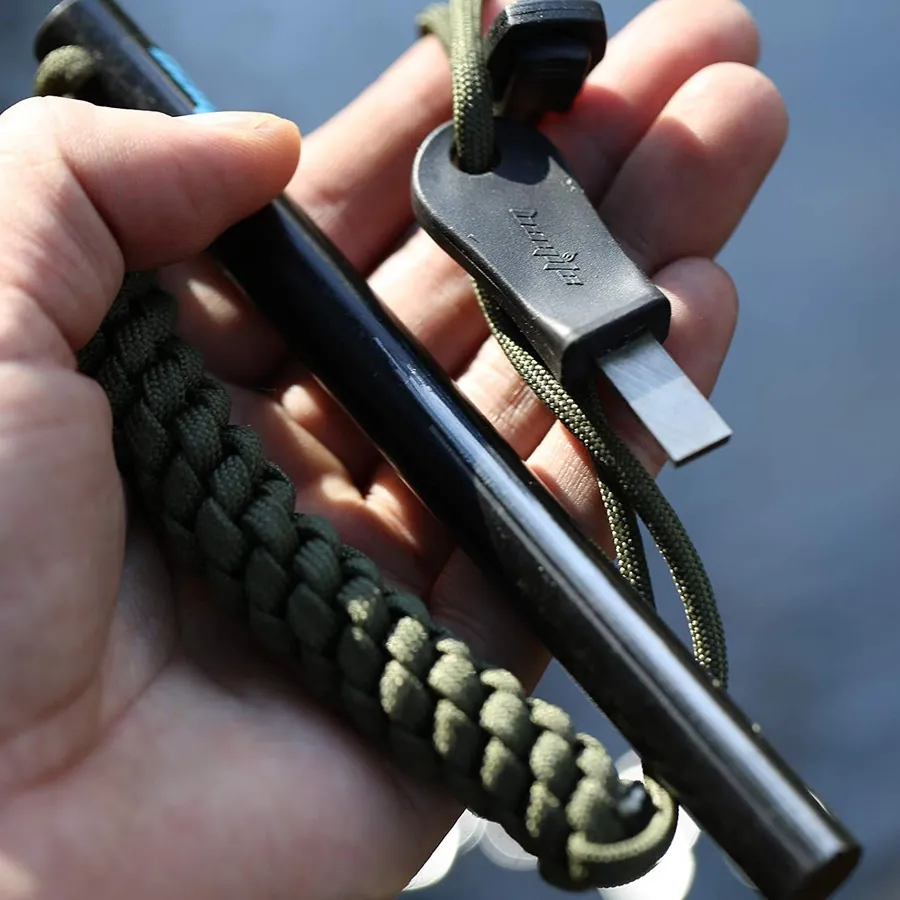
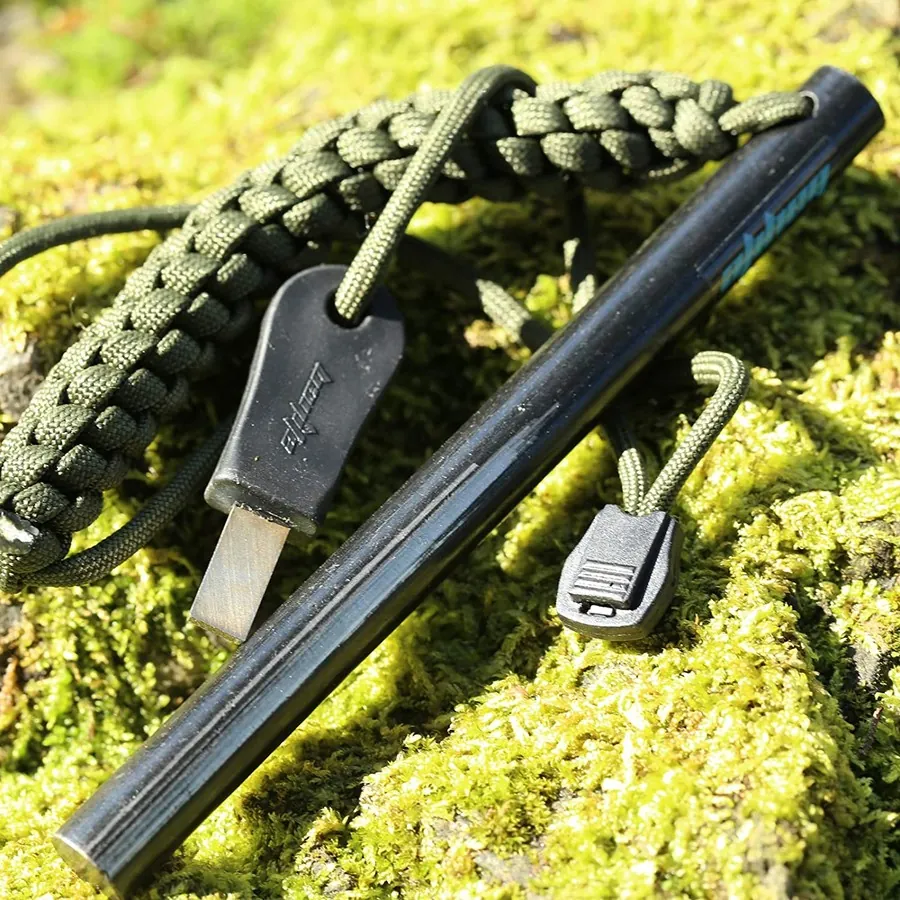
Photos: Bayite.
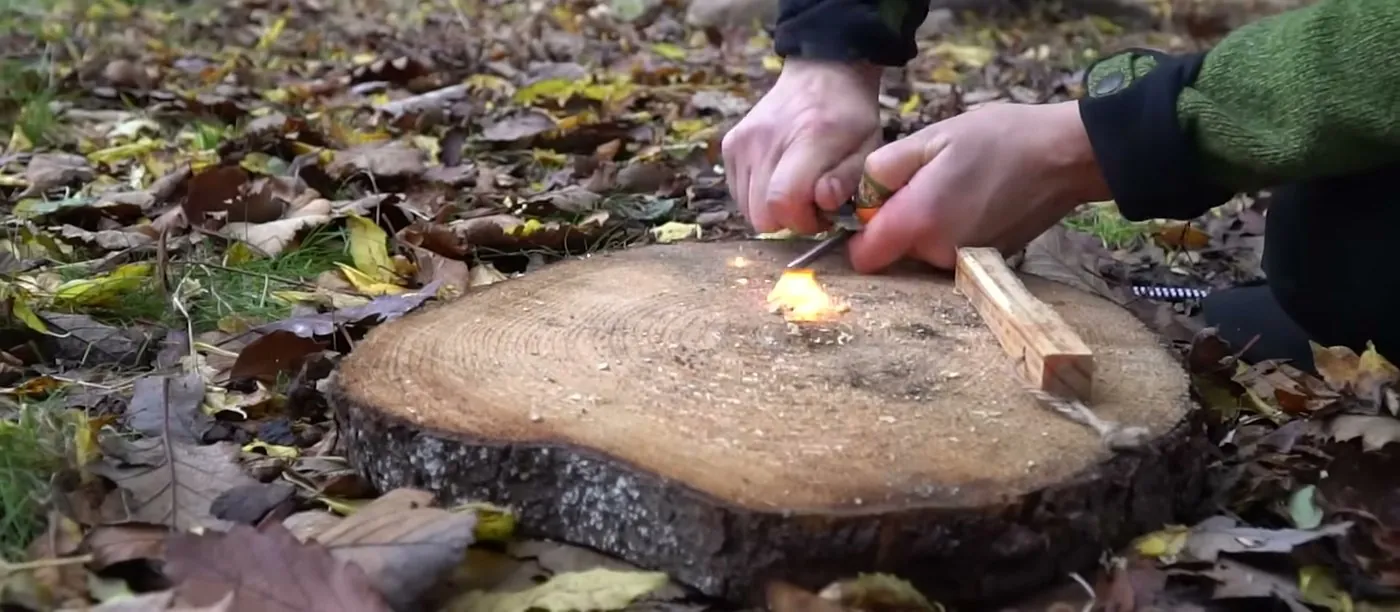
A Light My Fire Swedish FireSteel throwing sparks onto wood shavings that catch right away. A Bayite rod works the same way. From Light My Fire's video.
Flaws but not dealbreakers
A ferro rod is the hardest fire starter on this list to use. Most beginners fail because they don't get enough sparks. Here's the method a survival instructor teaches in the video below.
- Put your tinder on dry ground or a piece of bark. A petroleum jelly cotton ball, pulled apart a little, is the easiest tinder to work with.
- Hold the ferro rod right at the tinder, with the end touching or nearly touching the tinder.
- Scrape slowly with a lot of pressure until you see small flecks of metal come off, like pepper.
- Add a little speed while keeping the pressure. The sparks should land on the tinder and keep burning for a second.
- Add small dry twigs once the tinder catches, then bigger sticks.
It's best to practice once at home before you ever need the ferro rod. The Prepared found that a sharp, hard steel scraper mattered a lot. And a dry, fine pile of tinder mattered more than which rod you buy.
Upgrade pick: the Light My Fire Swedish FireSteel army 2in1
If you want the rod that won The Prepared's test, the Light My Fire Swedish FireSteel army 2in1 is $23 at Light My Fire. The Prepared called the Army rod the hardest and most effective it tested.
Something to note is that TruePrepper's 2026 test gave its small Light My Fire rod no verdict, and the two tests measured different things. The Prepared liked a hard rod that throws strong sparks with little effort. TruePrepper scored how much metal you get for the money.
The army 2in1 is the current version of the Army rod, with a whistle built into the striker. Light My Fire rates the army 2in1 at up to 12,000 strikes. Just keep in mind that the version The Prepared tested was the older FireSteel 2.0 Army.
For a pack, the smaller Light My Fire Swedish FireSteel scout 2in1 is $15 at Light My Fire. Light My Fire rates the scout 2in1 at 3,000 strikes.
Also great: UCO Stormproof matches
A stormproof match has a long coated head that burns hot even in wind. You can dunk a lit match in water, and the match will relight. That makes a stormproof match the easiest thing on this list for a scared beginner with cold hands.
TruePrepper's 2025 match test picked UCO Stormproof matches as its best overall. The same test found stormproof matches beat plain waterproof matches.
- UCO Stormproof Match Kit, $11.99. You get 25 matches, and each one burns up to 15 seconds. The floating, screw-top waterproof case holds up to 40 matches, and the striker works wet.
- UCO Titan Stormproof Match Kit, $15.99. You get 12 matches over 4 inches long that burn up to 25 seconds each, plus a floating case and 3 strikers. The longer burn gives damp tinder more time to catch.
- UCO Survival Stormproof Match Kit, $3.99. You get 15 shorter matches that burn up to 12 seconds, in a smaller floating case.
Just keep in mind that each match is only one fire, and a stormproof match still can't fix bad tinder. In John Millwood's video, damp tinder took more than one match. That's why the ferro rod stays the main tool.
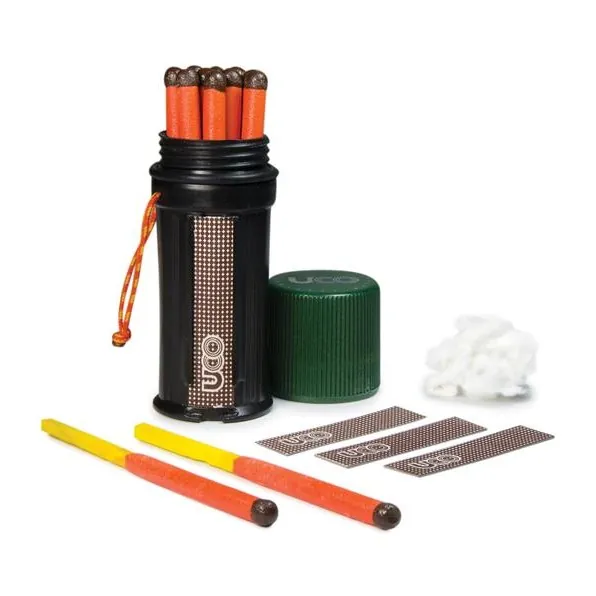
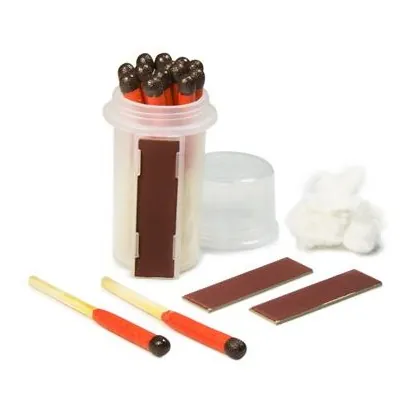
Photos: UCO.
Don't forget tinder
Tinder is the very fine, dry stuff that catches a spark or a match flame and burns long enough to get your twigs lit. In a real emergency, the grass and leaves around you may be wet, so you'll want to carry your own.
The easiest tinder is cotton balls rubbed with petroleum jelly. You'll want 100% cotton balls and plain petroleum jelly. Put a handful of cotton balls in a zip bag with 1 to 2 tablespoons of petroleum jelly, and work the jelly in.
Keep the finished cotton balls sealed in the bag or a small tin. When you need one, pull the cotton ball apart a little so the fibers stick out, and a ferro rod spark will light the fluffed cotton. A well-coated cotton ball can burn for a couple of minutes or more.
Something to keep in mind is that the petroleum jelly melts as the cotton ball burns. So you'll want to set the cotton ball on bark or a flat rock.
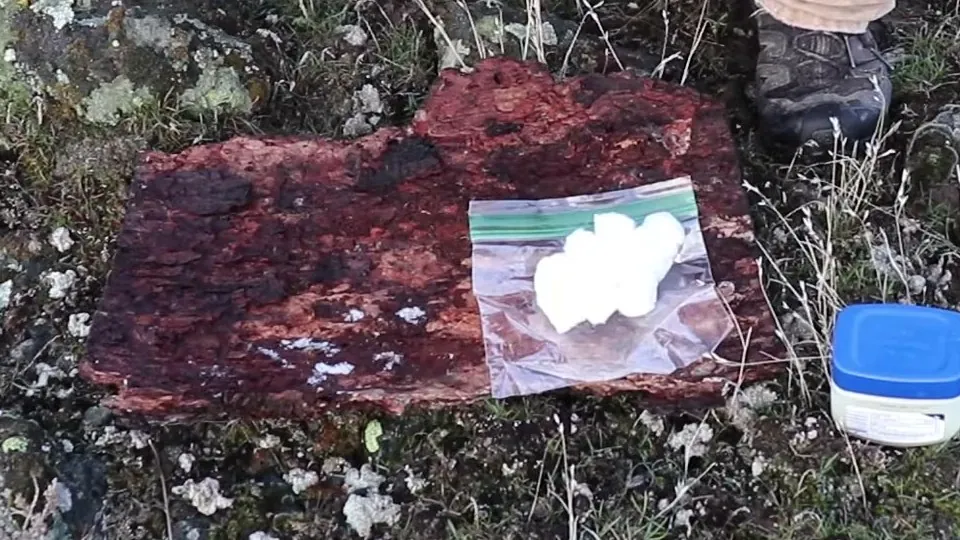
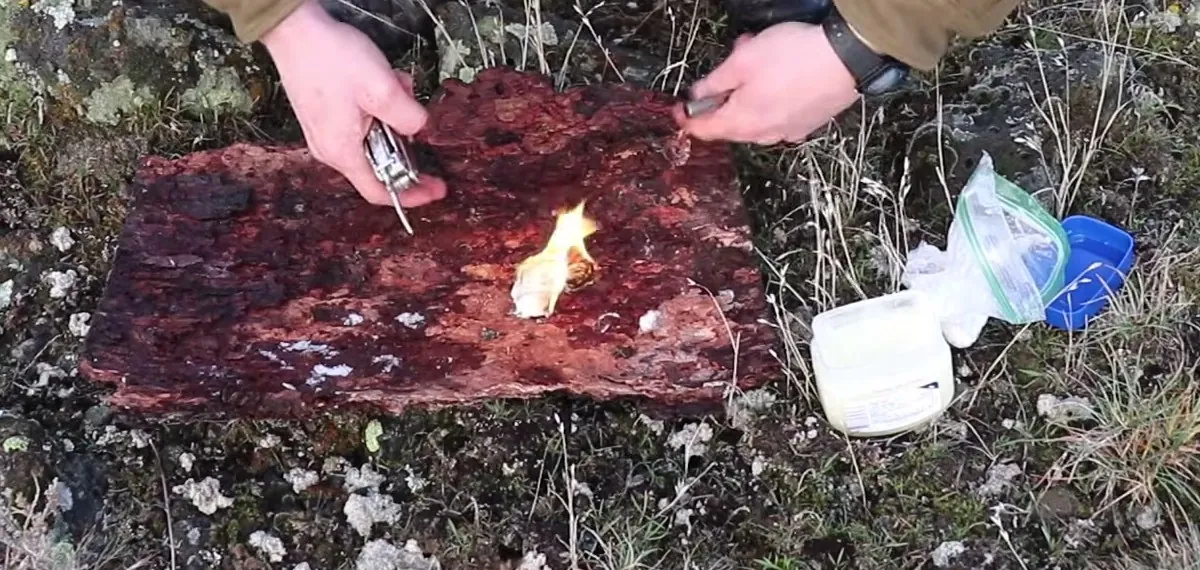
From Survival School House's video.
If you'd rather buy tinder ready-made, UST WetFire Tinder comes in a 12 pack for $10.99. In a 2009 burn test by Military Times, a WetFire cube burned 6 minutes 40 seconds, against 2 minutes 20 seconds for Tinder-Quik.
A lighter for your pocket: the BIC Classic
A plain BIC Classic lighter is the easiest flame there is. Everyone from bushcraft instructors to everyday shoppers names it. But a BIC has three weak spots for an emergency kit.
- Cold. Butane boils at about 32°F, so near freezing the lighter makes very little gas. BIC's own FAQ says a "very cold lighter temperature" is one reason a BIC won't light. In a freezer test on The Prepared's forum, both BICs needed about 20 seconds in a warm hand, and even then the flames were very small and weak.
- Heat in a parked car. BIC's FAQ says "Do not leave lighters in hot cars." The National Weather Service says a parked car in the sun can reach 120°F in minutes, and close to 150°F in an hour.
- Wind. The BIC pocket lighter lost its flame in a light breeze in Project Farm's lighter test.
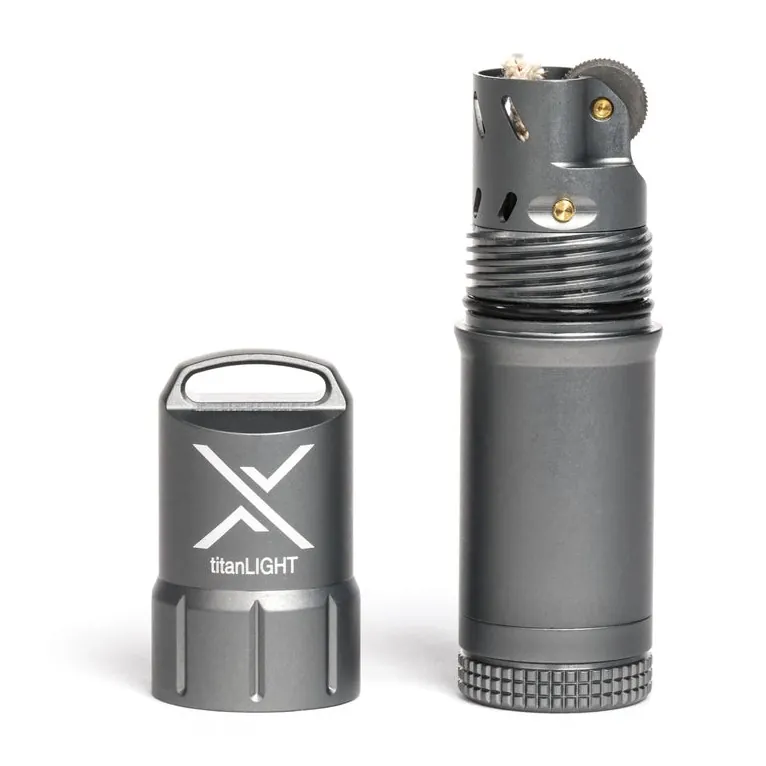
You'll want to keep the BIC in an inside pocket, where your body keeps it warm, not in the glovebox. If you want a step up, the Exotac titanLIGHT ($74.95) passed Outdoor Life's two-hour freezer test. Just keep in mind that a small breeze blew out the titanLIGHT's flame.
The competition
- Zippo Single Torch Butane Lighter Insert ($20.95 at Zippo). The insert gives a Zippo case a jet flame that handles wind better than a BIC. Just keep in mind the insert still runs on butane, and in The Prepared forum's freezer test the torch insert needed many minutes in a warm hand.
- SOTO Pocket Torch XT ($26.45 at SOTO). The Pocket Torch XT turns butane into a hot jet flame, but SOTO warns it "may not ignite under colder temperatures or high altitudes above 5,000 ft." That warning rules the Pocket Torch XT out for a mountain road kit.
- USB rechargeable arc lighters, like the Suprus arc lighter. Arc lighters are popular with everyday shoppers, but none of the expert groups recommended them. The batteries can quit in freezer tests, and no test shows how an arc lighter holds a charge sitting in a car for months.
- The Survival Frog Tough Tesla Lighter 2.0. The Tough Tesla is heavily advertised, but no expert group named it. In Field & Stream's test the Tough Tesla stopped working after an hour in the freezer, then came back after five minutes at room temperature.
- Prepared4X survival torch kits. No expert group recommends the Prepared4X kits, and TruePrepper's 2026 rod test gave the Prepared4X rod no verdict.
- InstaFire granules. One reviewer found the granules "a bit hydrophobic, but not waterproof," and another said the granules needed a fairly large spark. There's no wet test of InstaFire.
- Keychain-size mini ferro rods. Mini ferro rods are harder to use, and they give you too little metal to count on.
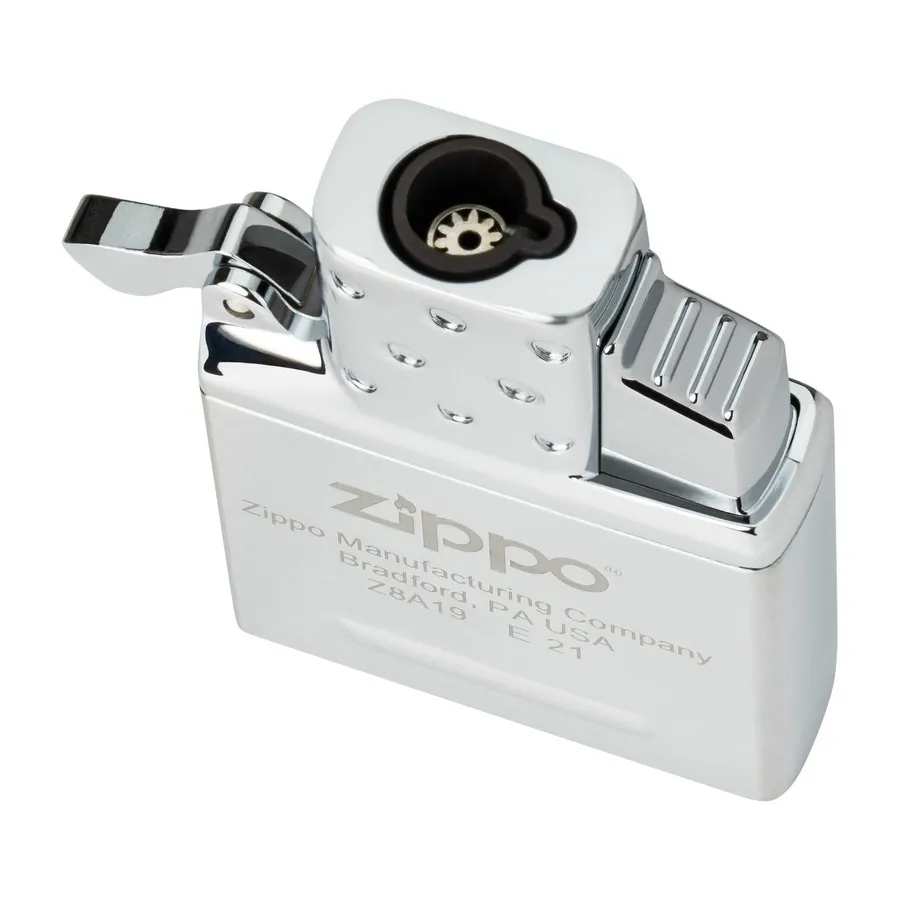
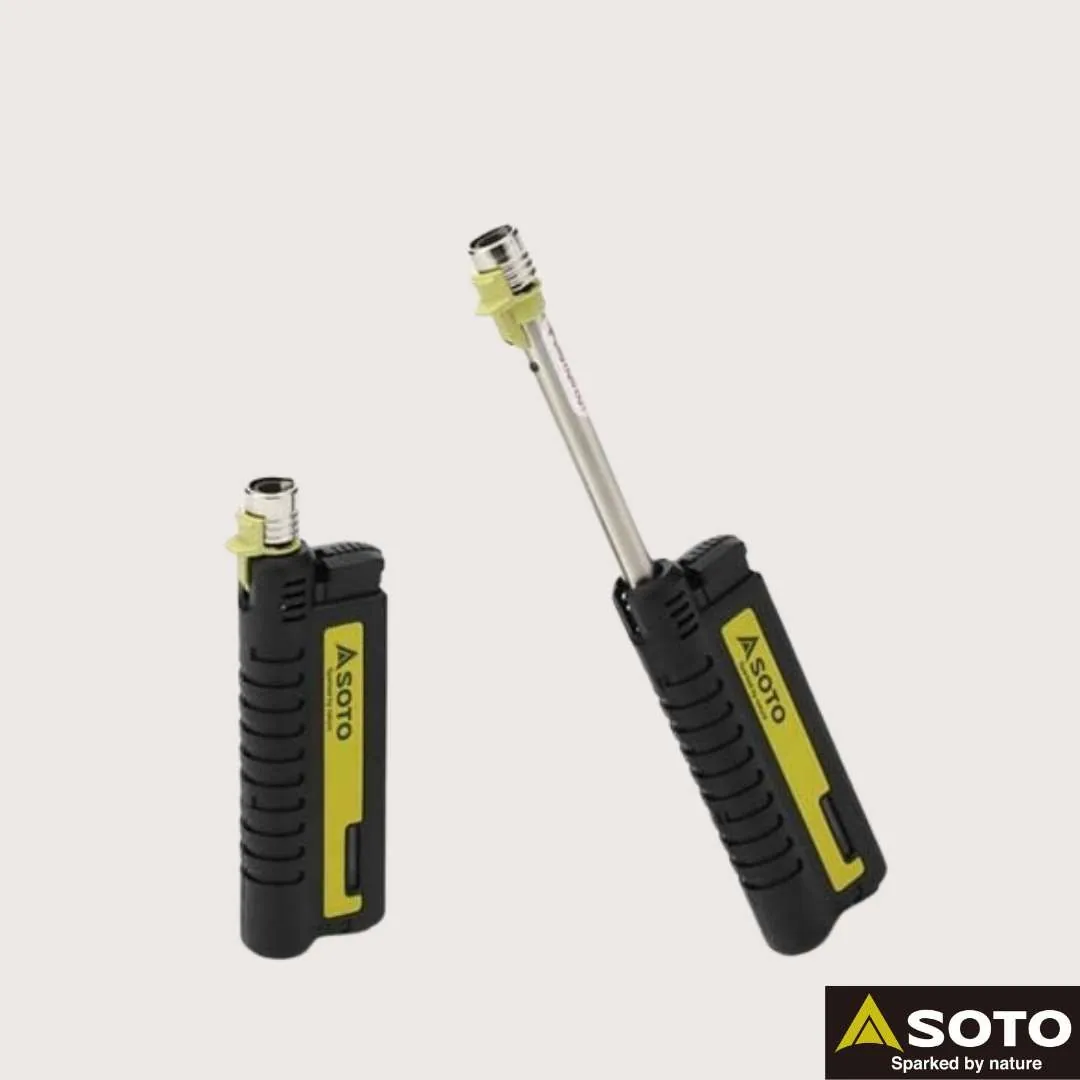
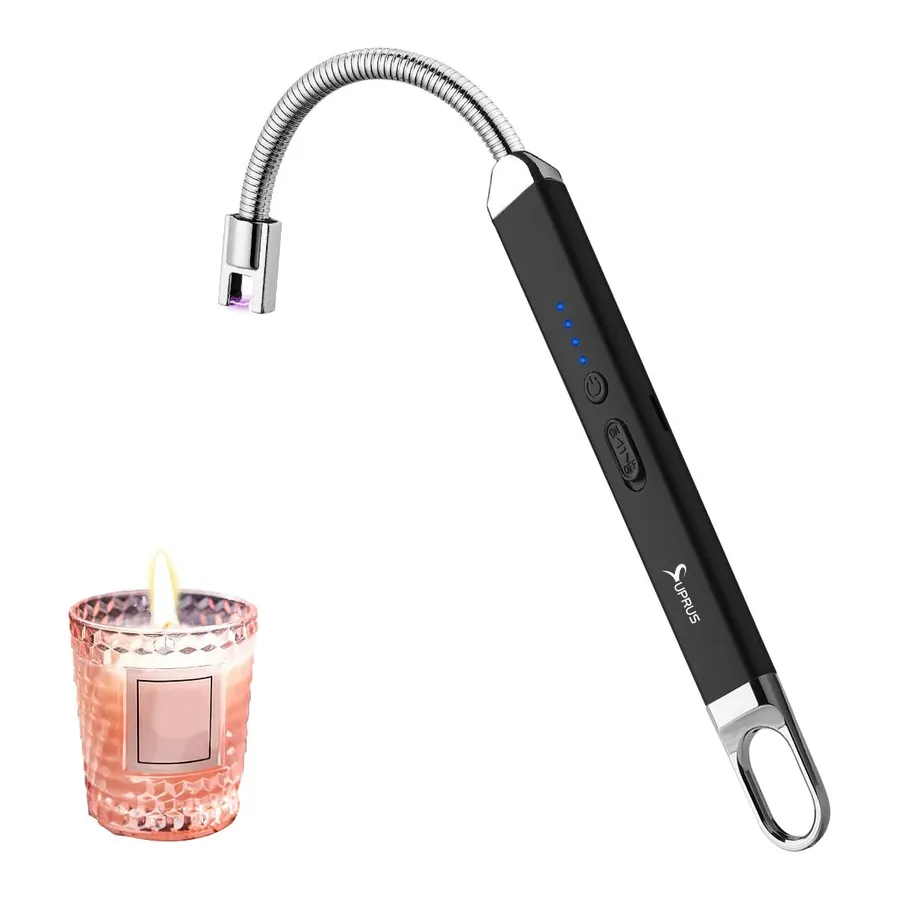
Photos: Zippo, SOTO and Suprus.
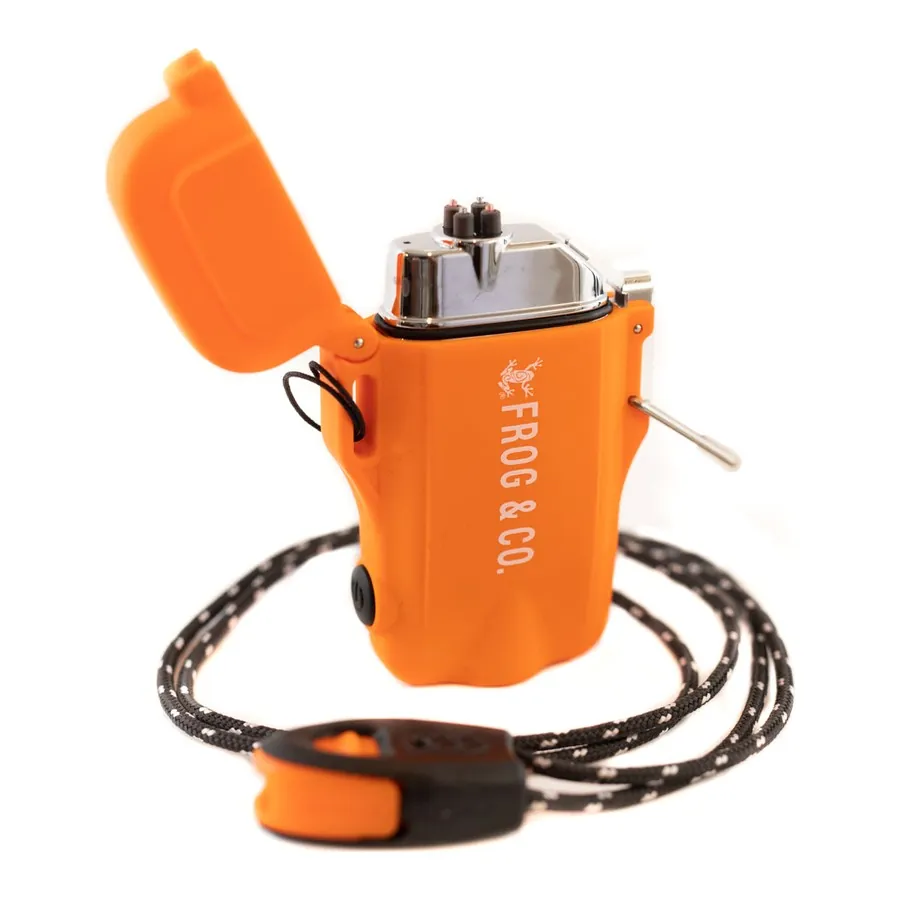
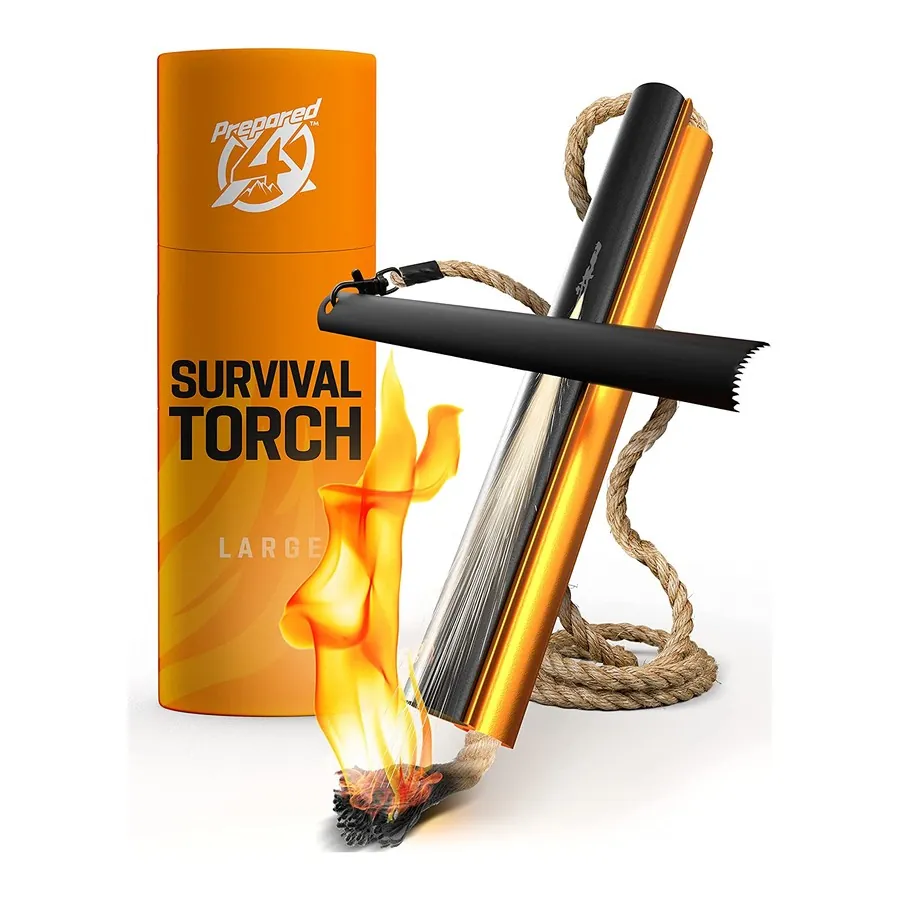
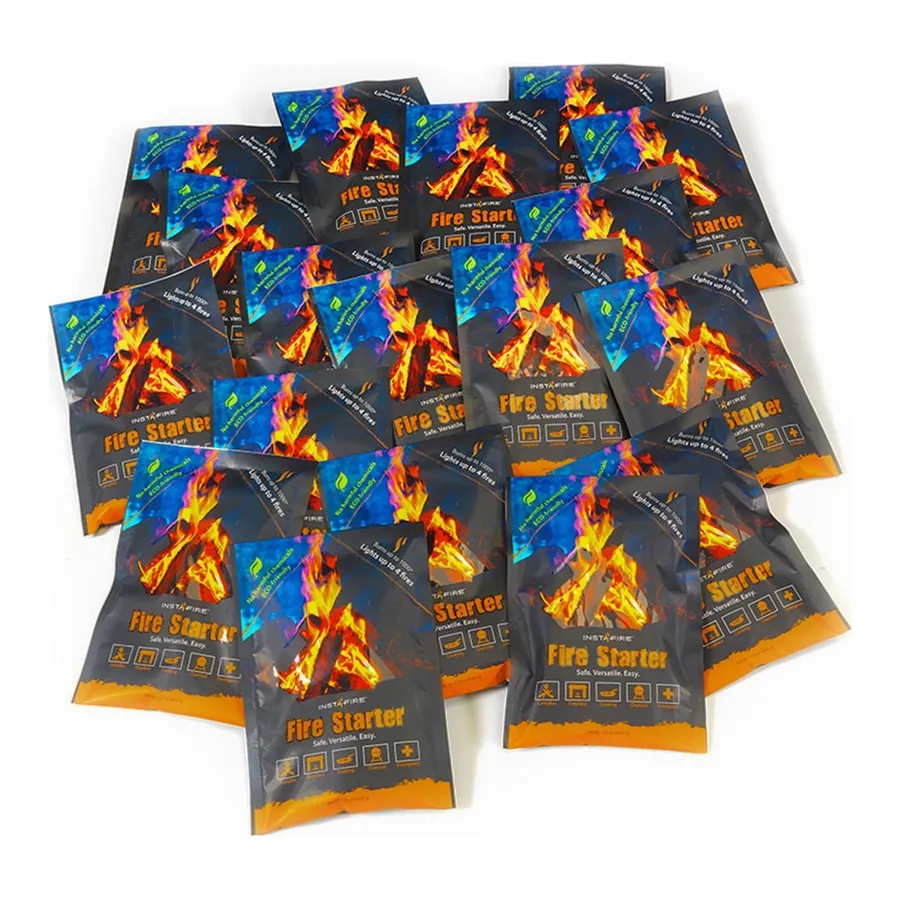
Photos: Survival Frog, Prepared4X and InstaFire.
Videos worth watching
This is the clearest beginner lesson on using a ferro rod I've come across. A survival instructor shows why most people fail with a ferro rod, and then how to fix it.
- A ferro rod alone does nothing. You'll need a sharp steel edge, and the spine of a multi-tool saw works well.
- Scrape the rod slowly with a lot of pressure until small flecks of metal come off, then add a little speed.
- Check that your sparks reach the ground and keep burning for a second.
- Small sparks will light a petroleum jelly cotton ball, but damp tinder from the woods needs big, hot sparks.
This one gives you an honest look at the UCO Stormproof matches in real use, not a lab test.
- The Titan match burns about 25 seconds, and the regular UCO match burns about 15.
- A lit UCO match relights after being dunked under water.
- One UCO match wasn't enough with damp tinder.
My take
So ultimately, put a Bayite ferro rod, a UCO Stormproof Match Kit and a bag of petroleum jelly cotton balls in the car. Keep a BIC in your pocket as well. Then it's best to practice with the Bayite rod once at home, so you know you can do it when it counts.
Have a question about “The best emergency fire starter to keep in your car or hiking pack”?
Ask it here. Every question comes to me first. I answer as many as I can, and each answered question goes on this page with my answer so other readers can see it too. I don't ask for your email, so check back on this page for the answer.
More survival and emergency guides
- Heat in a parked car: National Weather Service, heat inside a parked car.
- Butane and lighters: BIC lighter FAQ, NIST Chemistry WebBook, butane.
- Tests: The Prepared, best ferro rods (2019), TruePrepper, best ferro rods (2026), The Prepared forum, lighters in the cold, Field & Stream, best camping lighters, Outdoor Life, best camping lighters, Project Farm lighter test.
- Makers: Bayite, Light My Fire, UCO, SOTO, Zippo, Exotac, UST.
Lancelot's List is an independent site. No company paid to be on this page. This guide gives general information.